7 hr 30 min
Giethoorn Day Trip with Canal Cruise from Amsterdam
- Expert local guide
- Small group
- Skip-the-line access
- Free cancellation
Giethoorn Day Trip From Amsterdam — Canal Village Access
Car-free waterways and thatched farmhouses, ninety minutes north of the capital
Compare fares, pick the fit — all bookings are mobile-voucher and eligible for free cancellation where shown.
7 hr 30 min
8 hr
8 hr
| Experience | Duration | Rating | Skip-the-line | Guide | Small group | Free cancel. | Price | |
|---|---|---|---|---|---|---|---|---|
|
Guided Experience
Most popular
Giethoorn Day Trip with Canal Cruise from Amsterdam
|
7 hr 30 min | ★ 4.5 | ✓ | ✓ | ✓ | ✓ | $67 | Book → |
|
Guided Experience
Giethoorn Village & Canal Cruise Day Trip
|
8 hr | ★ 4.7 | ✓ | ✓ | ✓ | ✓ | €57 | Book → |
|
Guided Experience
Giethoorn Day Trip from Amsterdam with Canal Cruise
|
8 hr | ★ 4.8 | ✓ | ✓ | ✓ | ✓ | €85 | Book → |
A giethoorn day trip from amsterdam works either way, but most travelers doing independent trains and boat rentals get more time on the water for less money than a fixed-schedule coach package. If you want zero logistics, a guided Amsterdam Giethoorn tour still beats self-planning on convenience alone.
|
Top pick Independent Giethoorn Trip |
Organized Guided Day Tour | |
|---|---|---|
| How you get there | Train + bus or car, self-navigated | |
| Direct coach pickup in Amsterdam | Flexibility of schedule | Fully flexible, stay as long as you like |
| Fixed departure and return times | Boat cruise inclusion | Rent your own whisper boat or canoe |
| Group boat cruise usually included | Price | €20-40 per person (transport + boat rental) |
| €60-100 per person (all-inclusive) | Crowd exposure | Depends on arrival time, more control |
| Grouped with other tour bus visitors | Best for | Independent travelers, photographers, flexible schedules |
| See tickets & prices |
Verdict: Independent travel gives more freedom and often costs less, while the guided coach tour trades flexibility for a fixed, hassle-free itinerary from Amsterdam.
Hand-picked experiences loved by thousands of travelers
10 hours
Free Cancellation
Navigate tranquil canals in a fairytale village and witness historic windmills turning in the breeze
10 hours
Free Cancellation
Experience Holland's iconic windmill village and enchanting canal town on this comprehensive day tour
10 hours
Free Cancellation
Discover Dutch heritage across three iconic destinations with windmills, canals, and fishing villages
8 hours
Free Cancellation
Discover the enchanting Dutch village where waterways replace roads on this guided excursion with boat tour
8 hours
Free Cancellation
Cruise the canals of the 'Venice of the North' on your own private boat during this relaxed full-day escape.
8 hours
Free Cancellation
Navigate the canals of the Dutch Venice by electric boat and explore a car-free village on foot or bike.
8 hours
Free Cancellation
Journey through Dutch maritime history and canal-side villages on this full-day private excursion
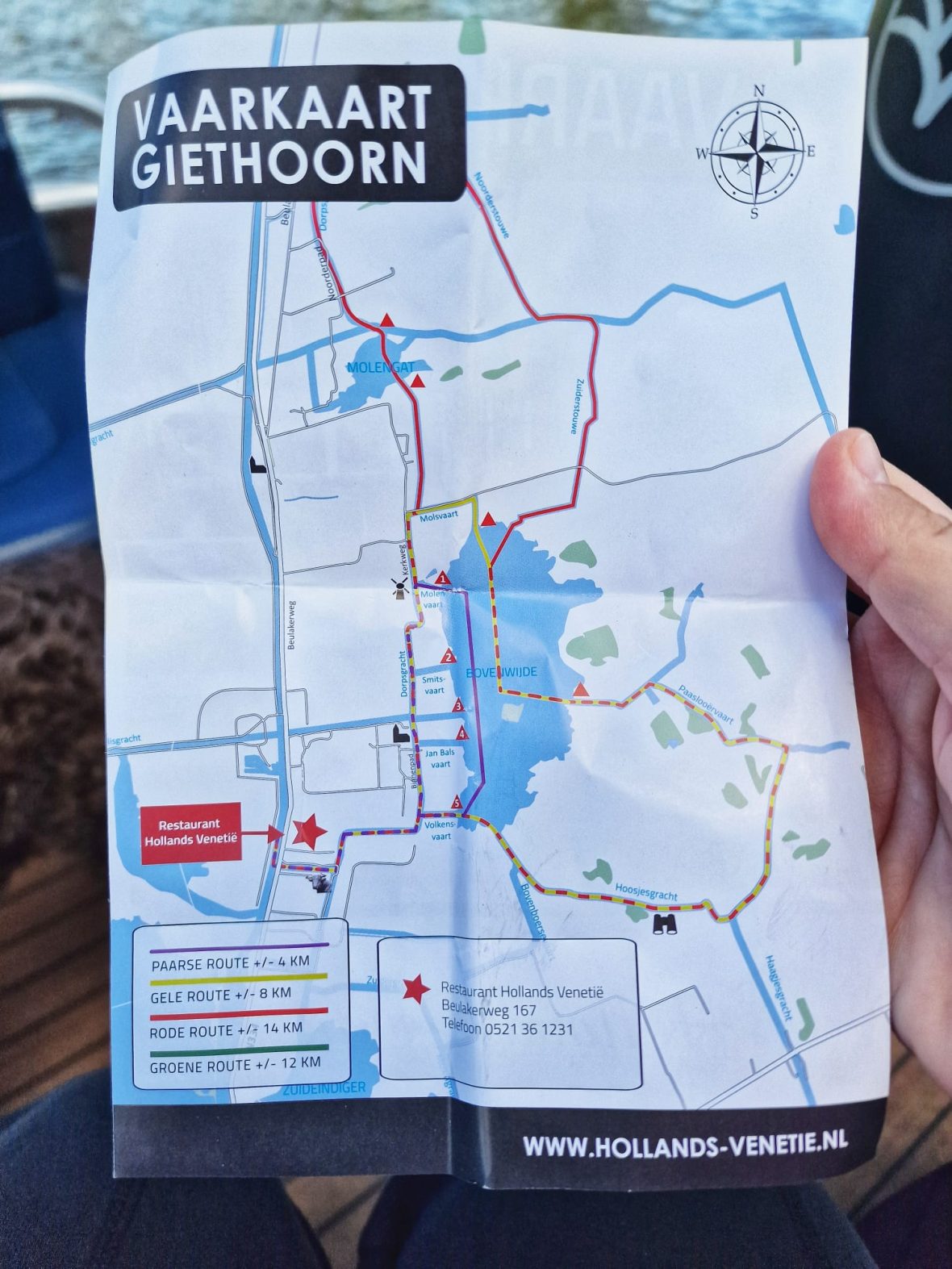
Start at a central parking area or bus stop and pick up a village map near the tourist information point
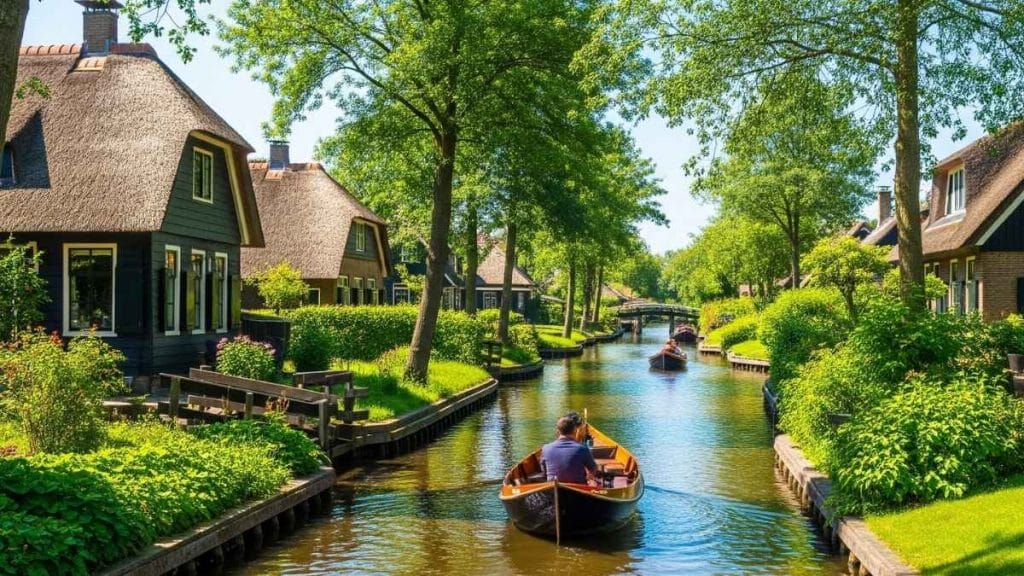
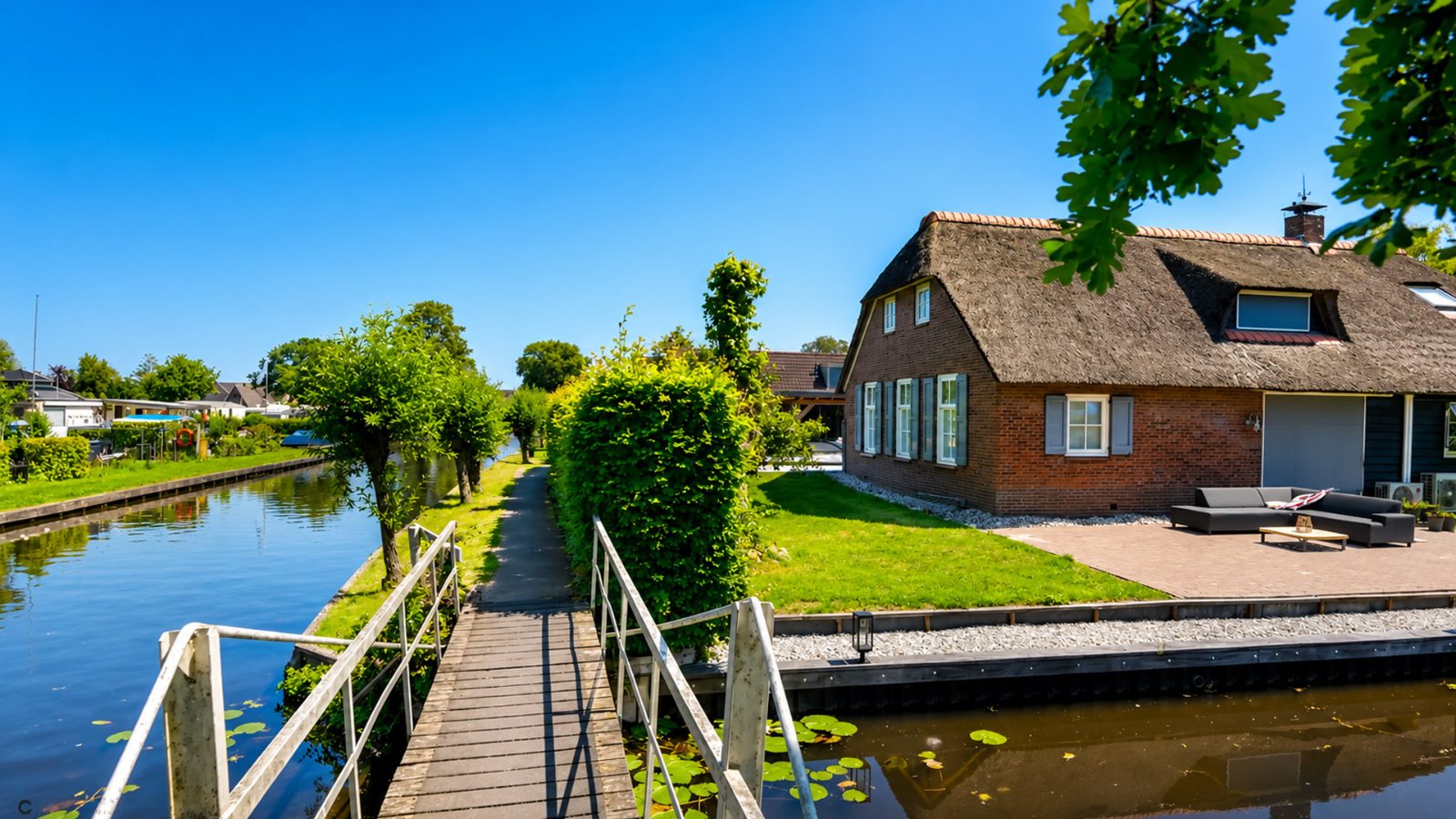
Follow the main pedestrian path along the canal past thatched farmhouses and wooden bridges
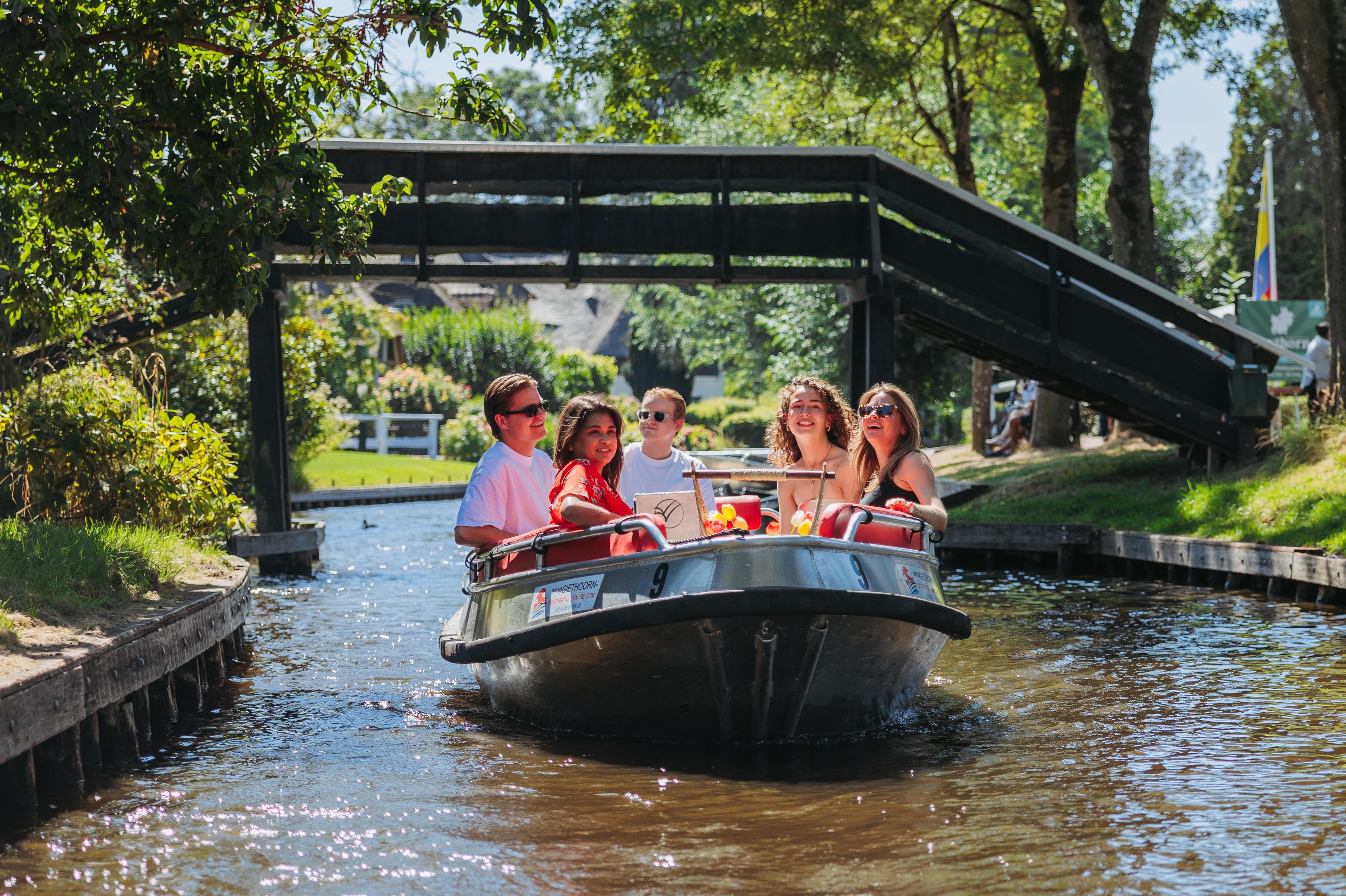
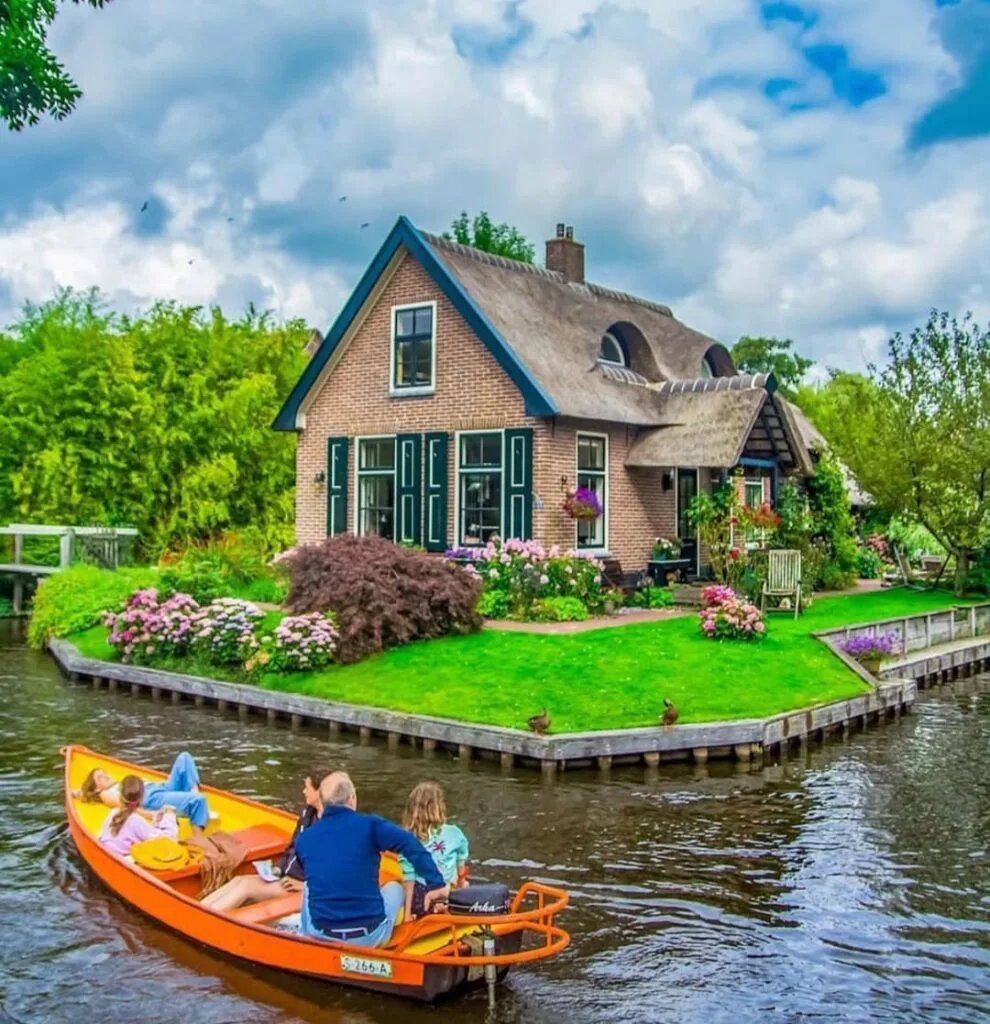
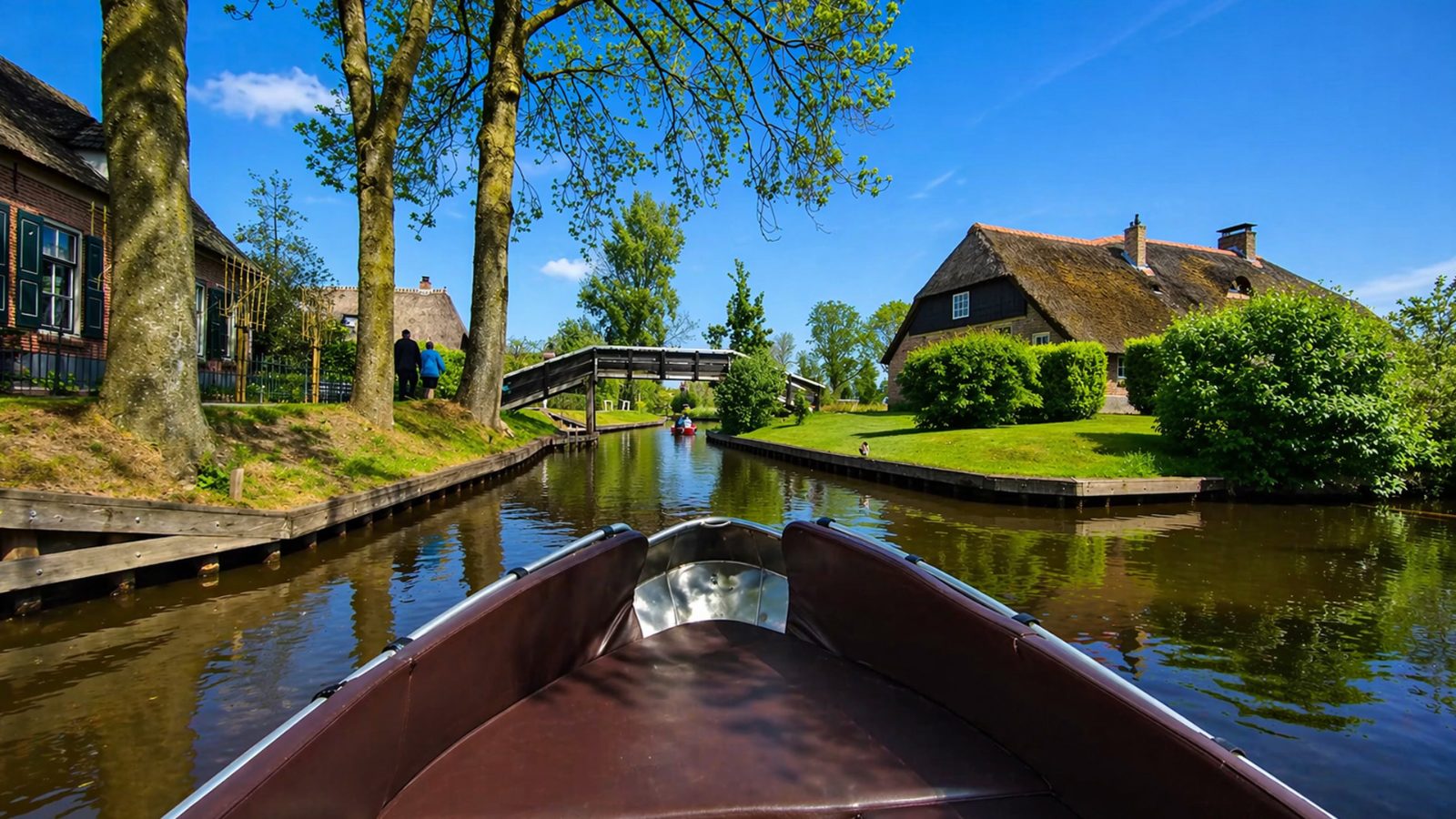
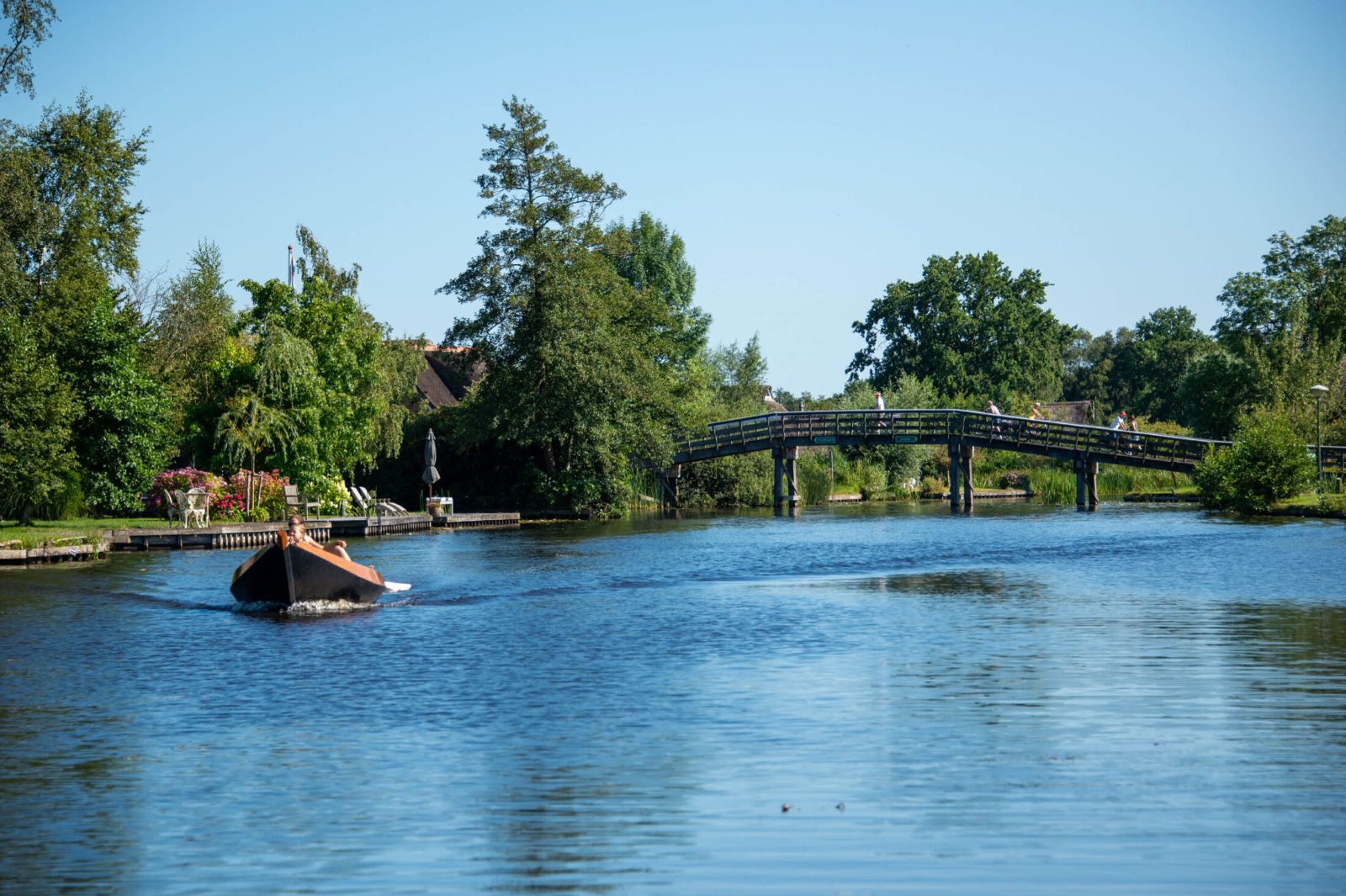
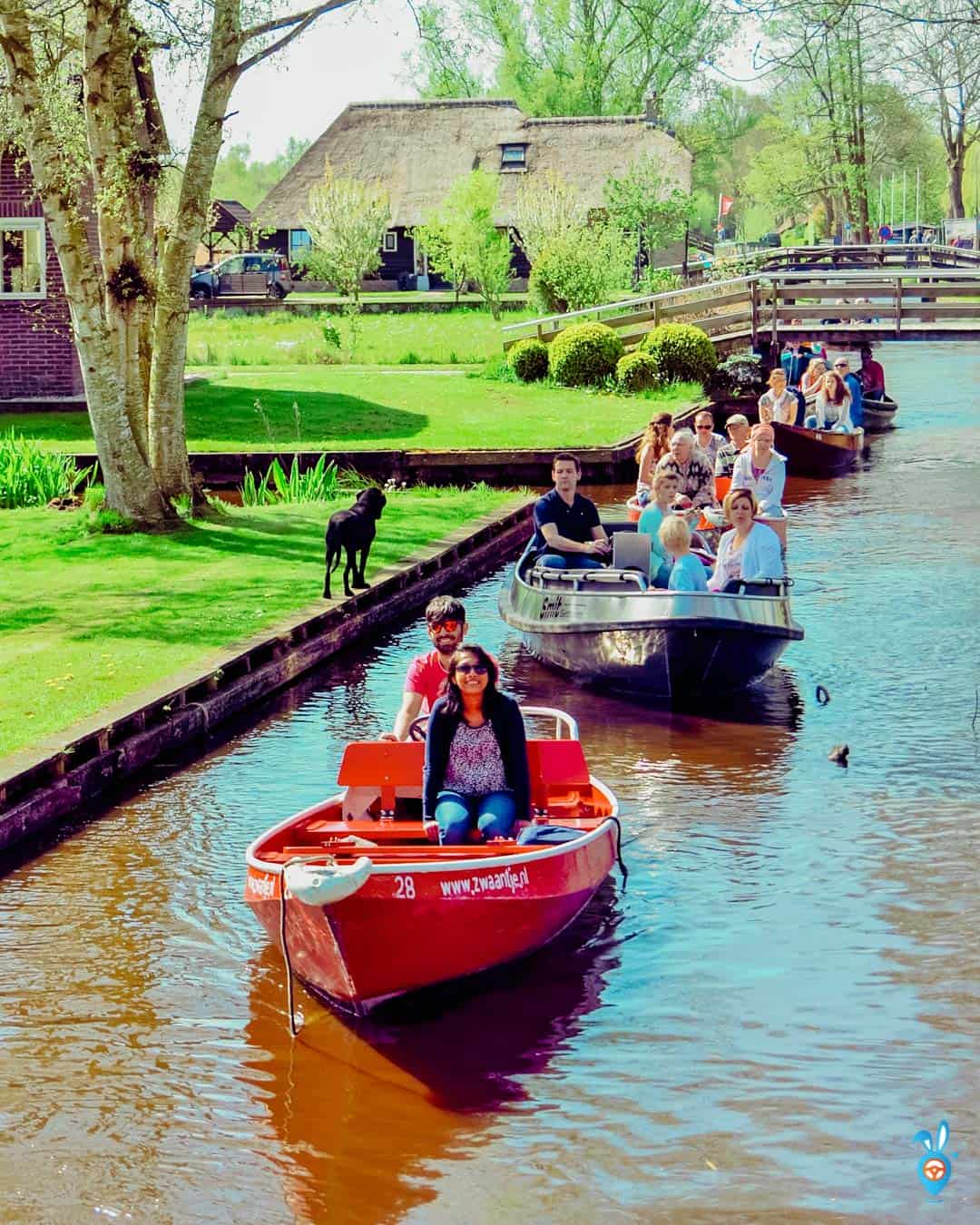
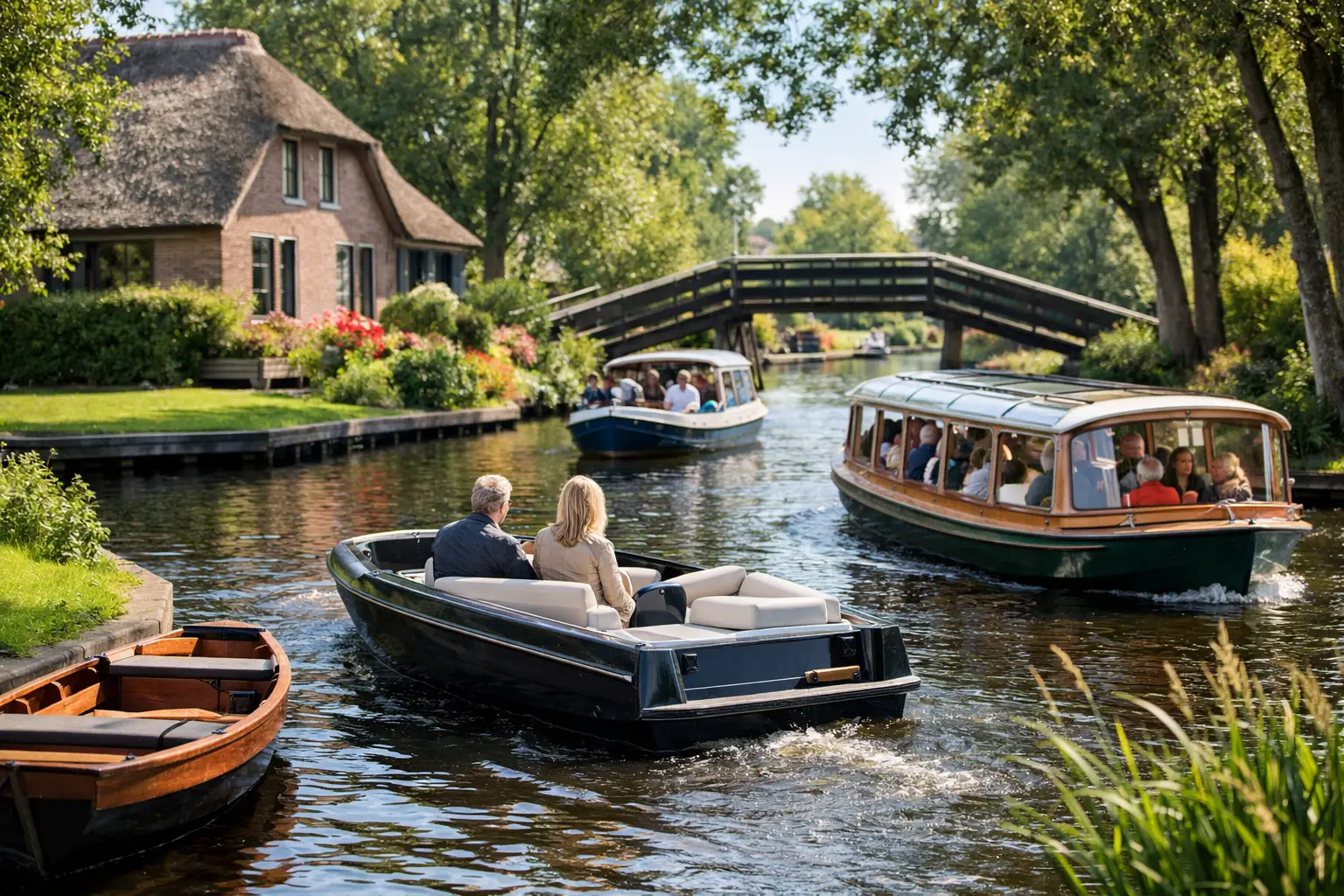
Take a self-drive electric boat from a canal-side dock to see the village from the water, the classic way to experience a giethoorn day trip from amsterdam
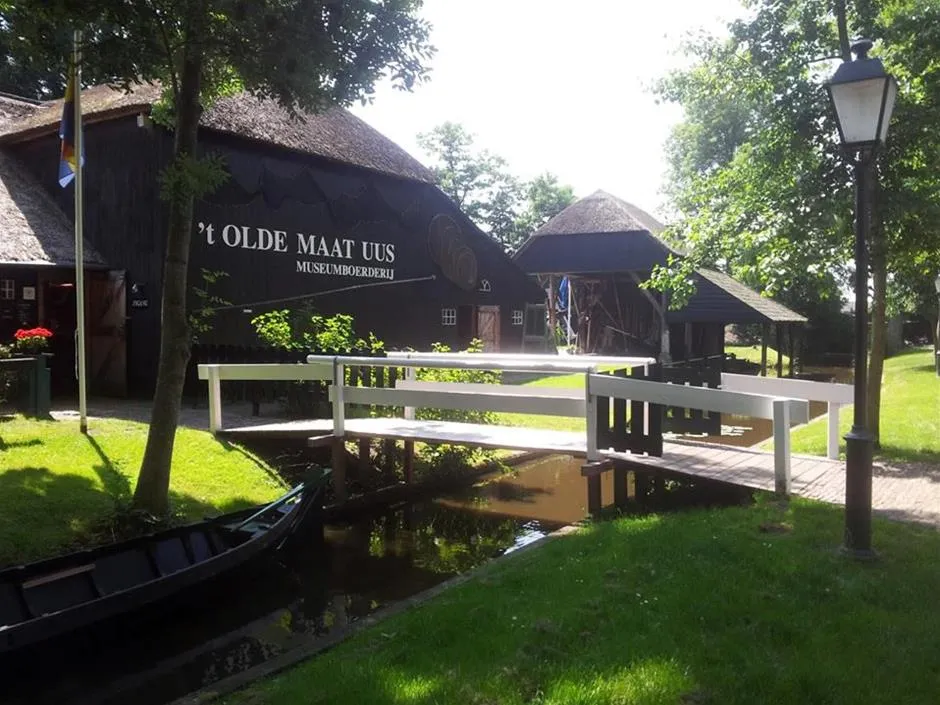
Stop at 't Olde Maat Uus or the Giethoorn museum farmhouse to see traditional Overijssel interiors
Sit at a waterside cafe terrace and watch boat traffic pass under the bridges
Paddle or boat out to the open water of Bovenwijde for wider views back toward the village
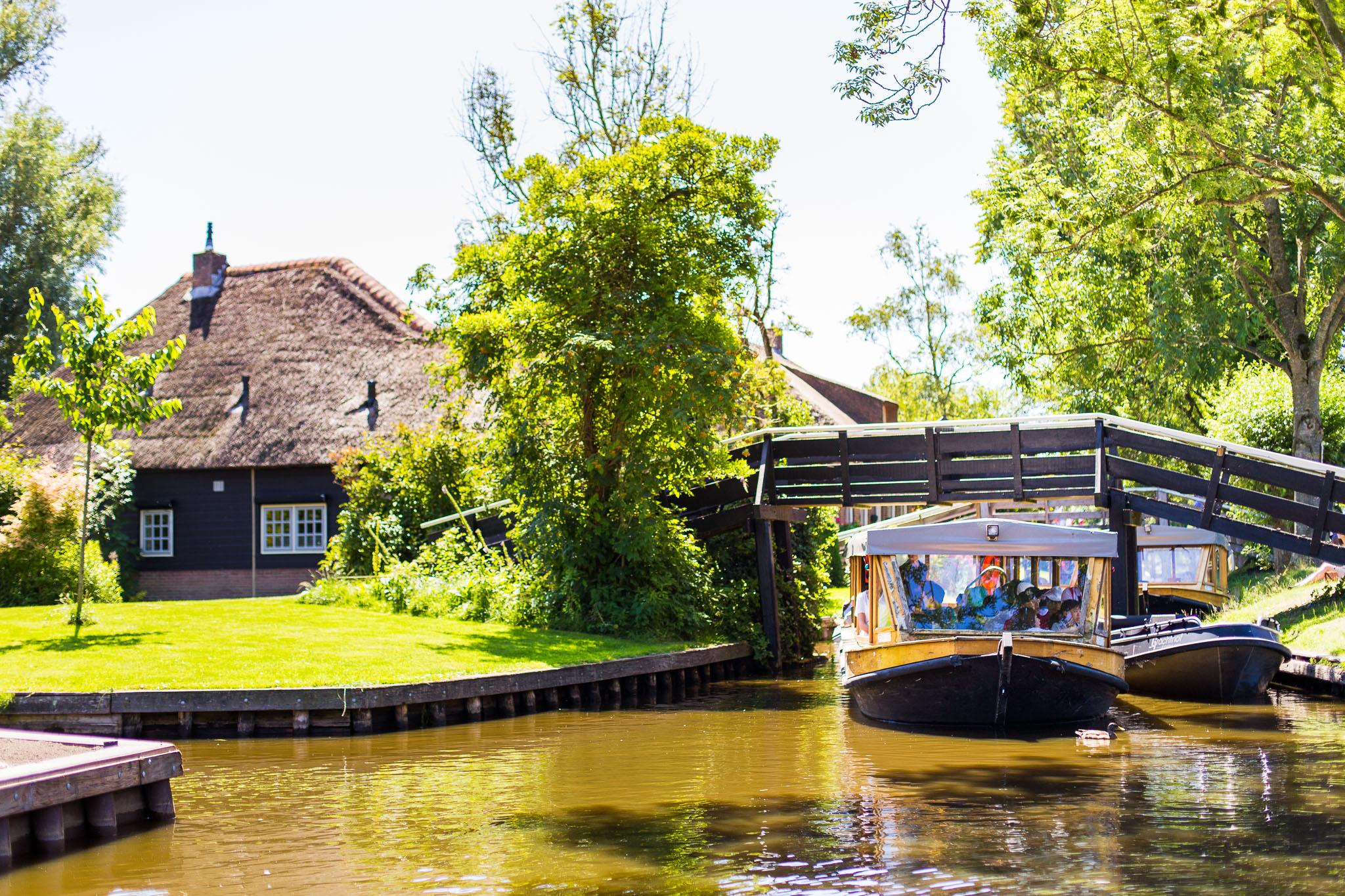
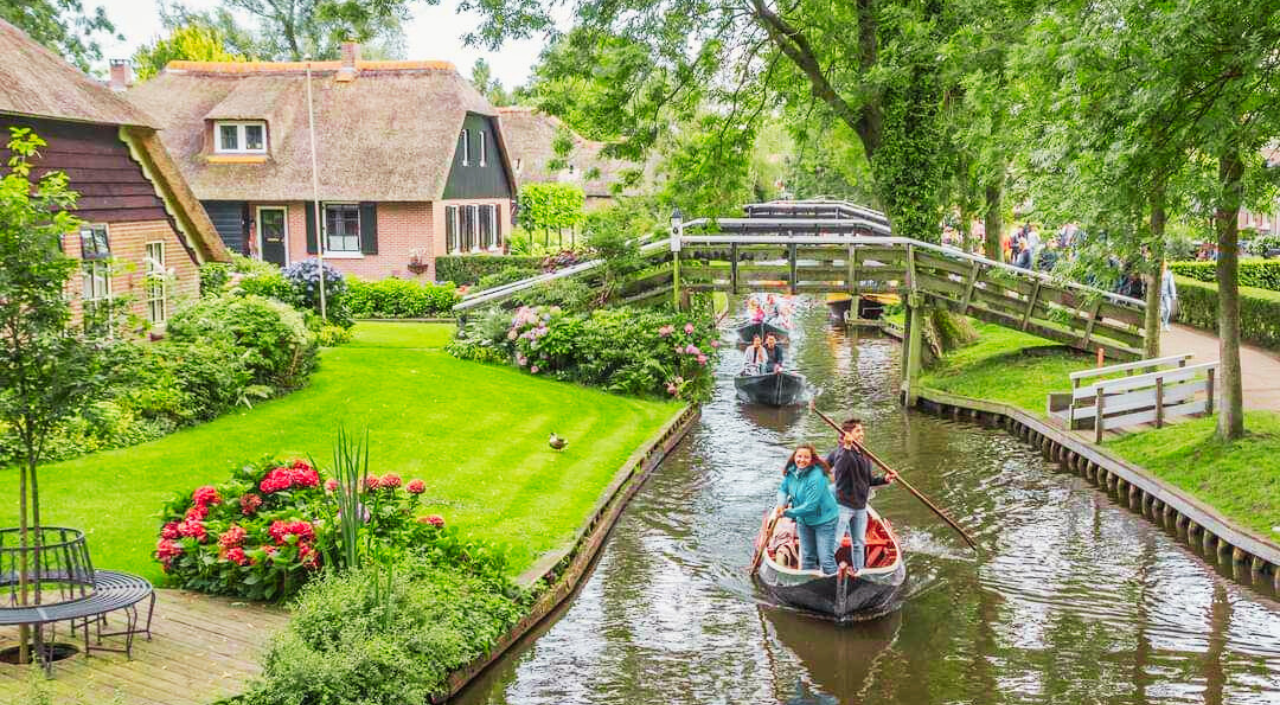
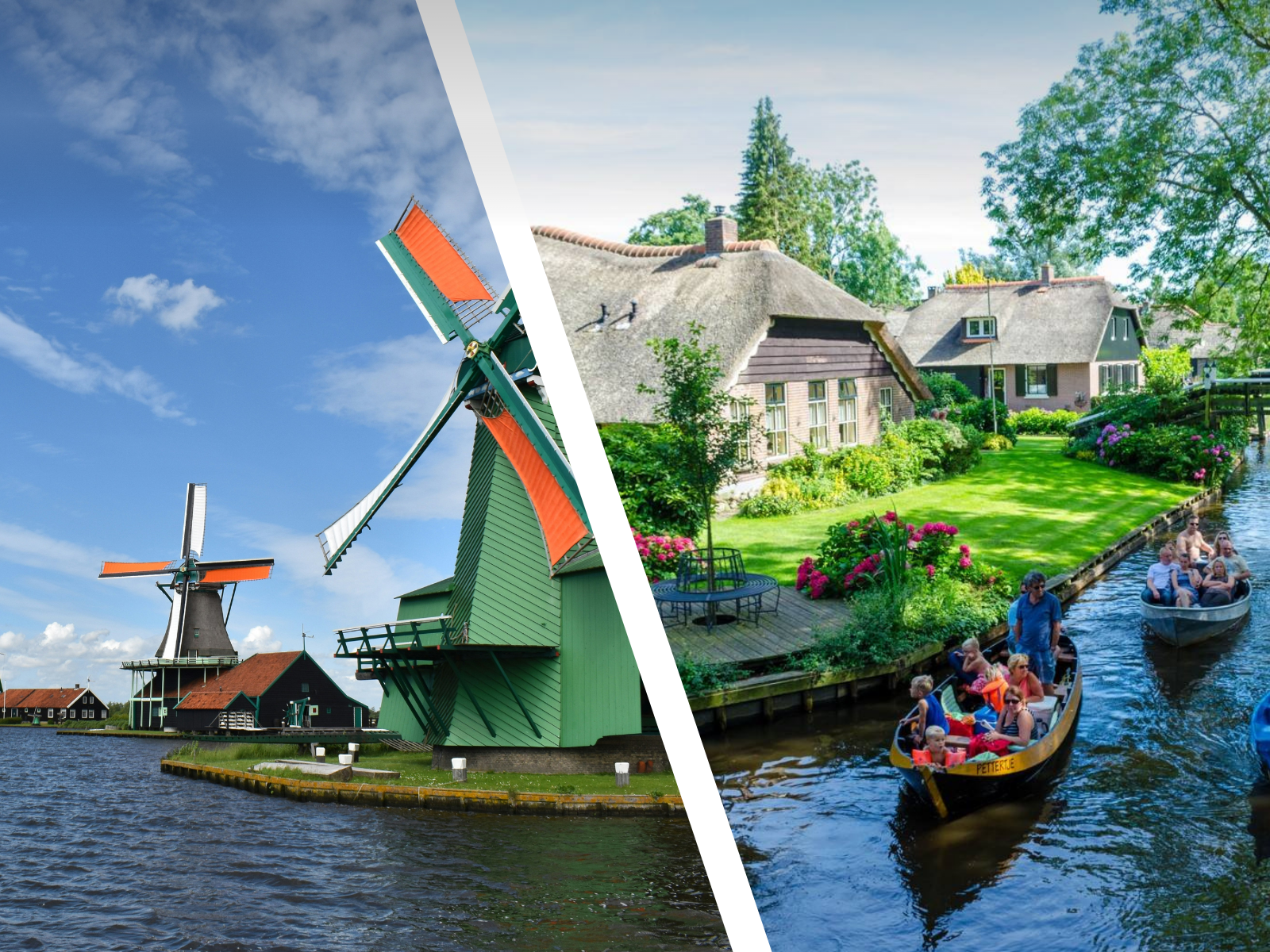
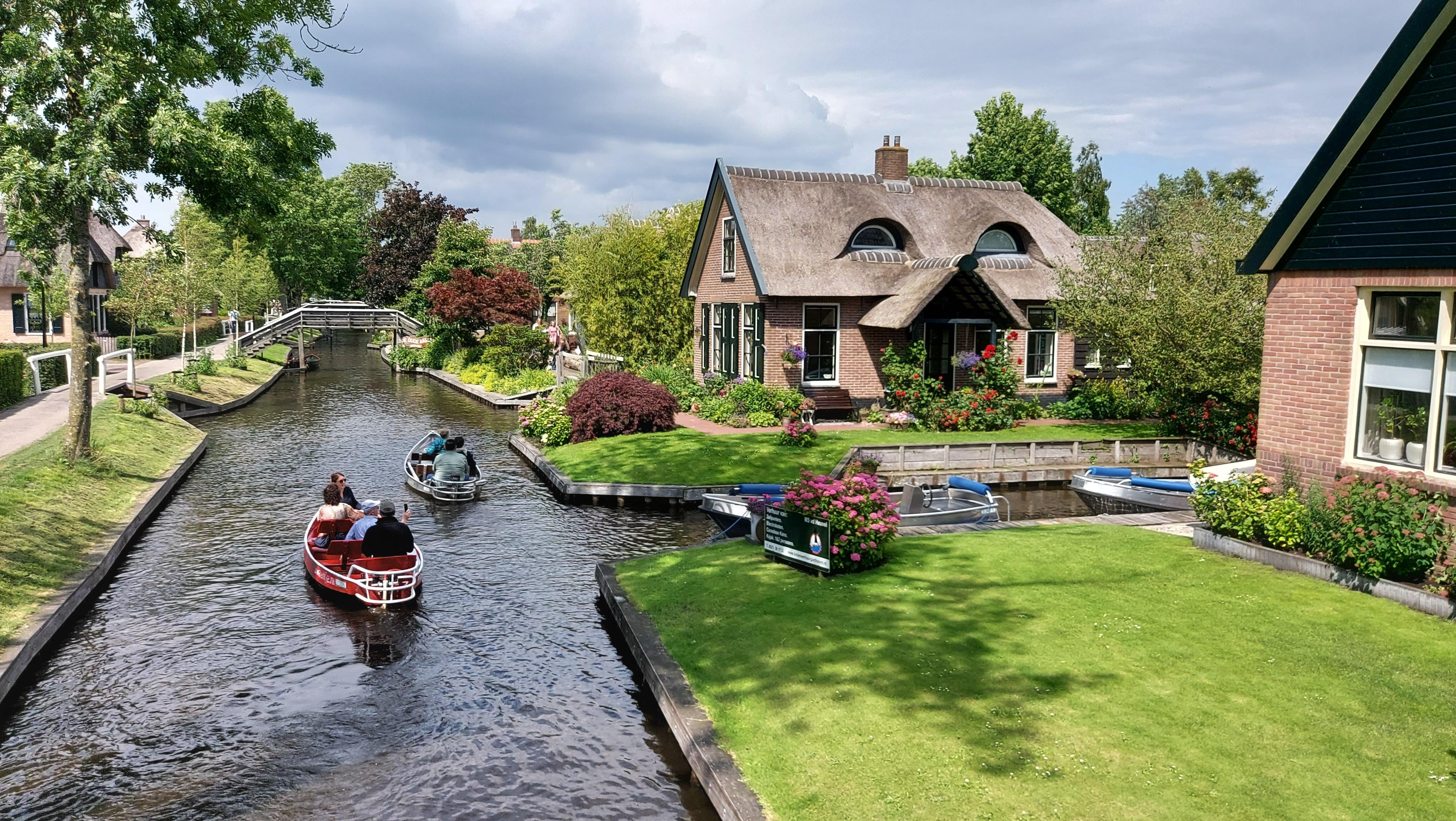
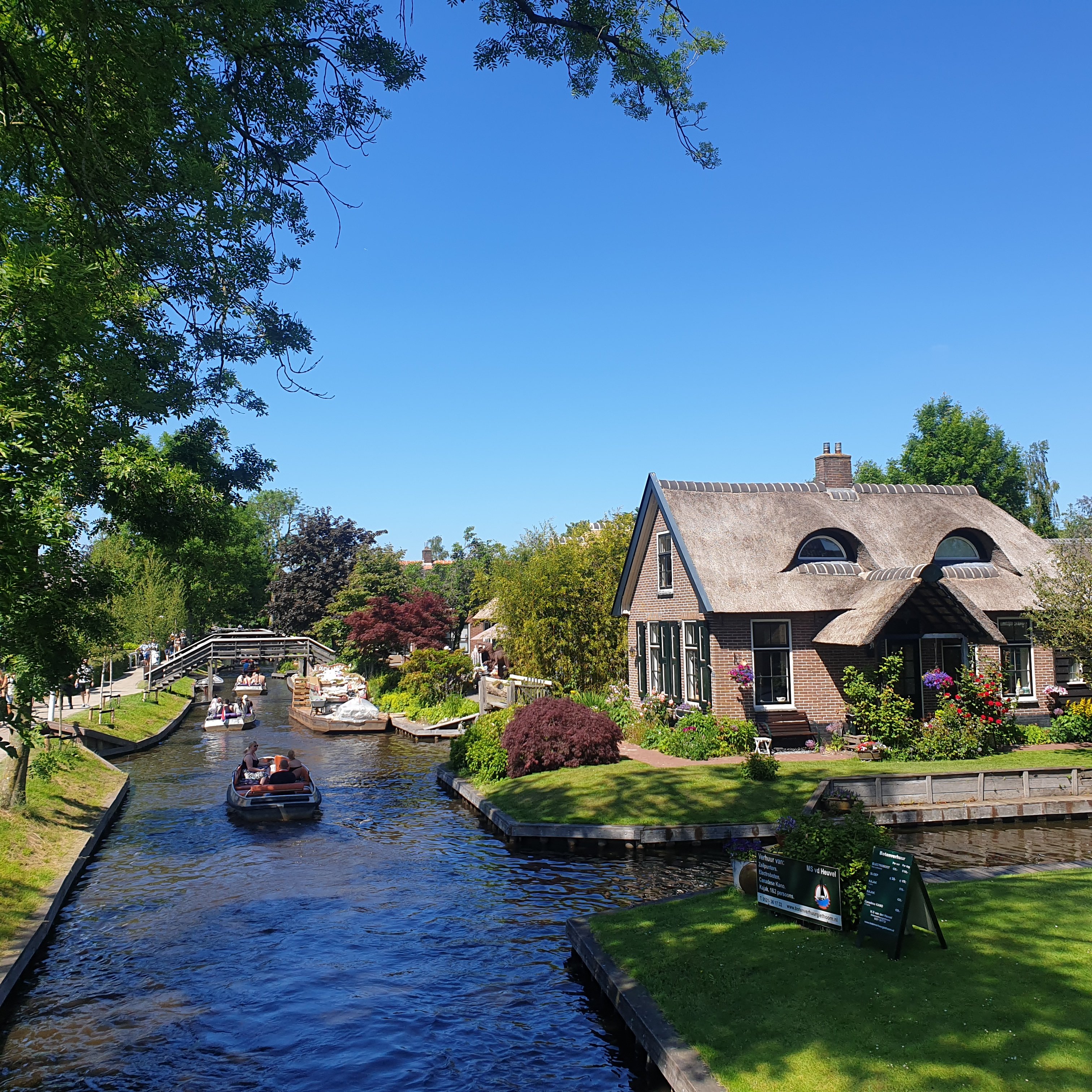
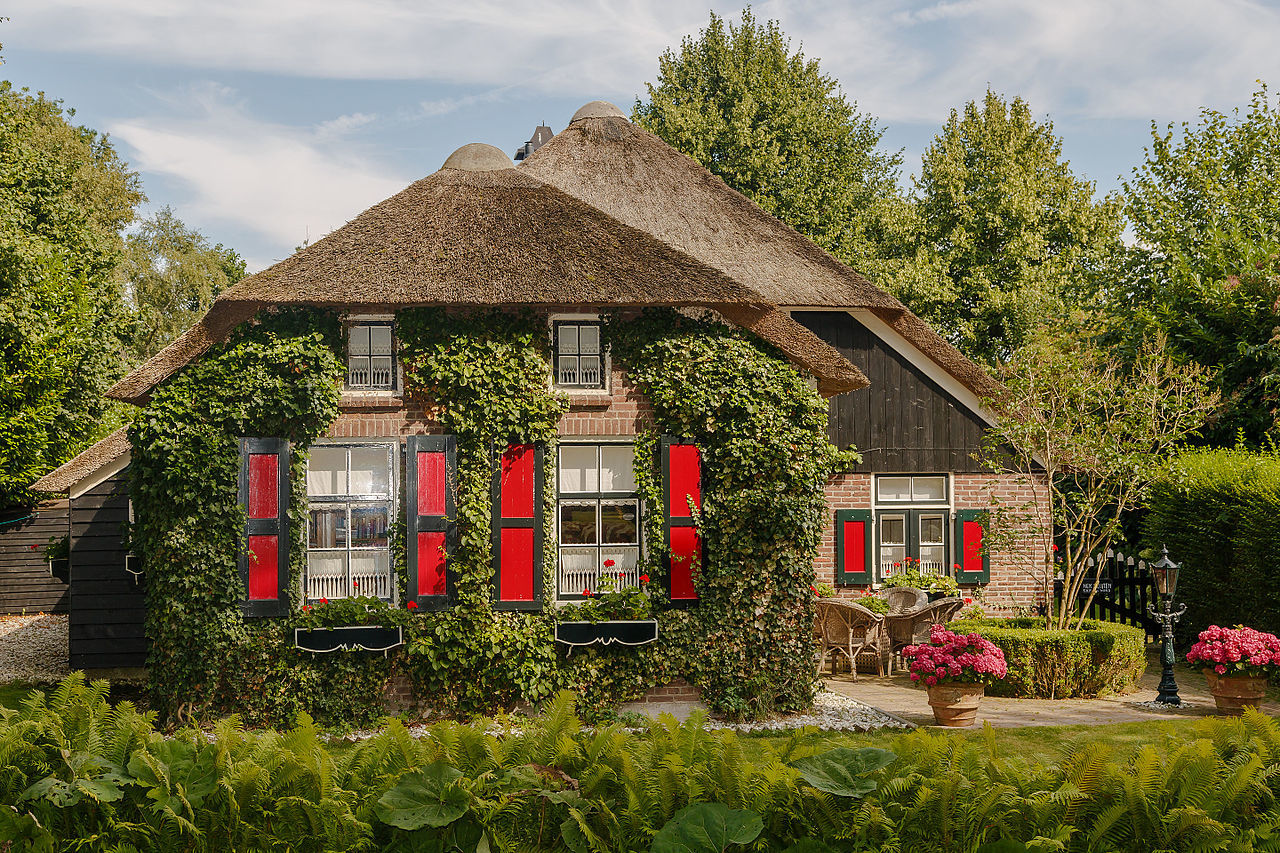
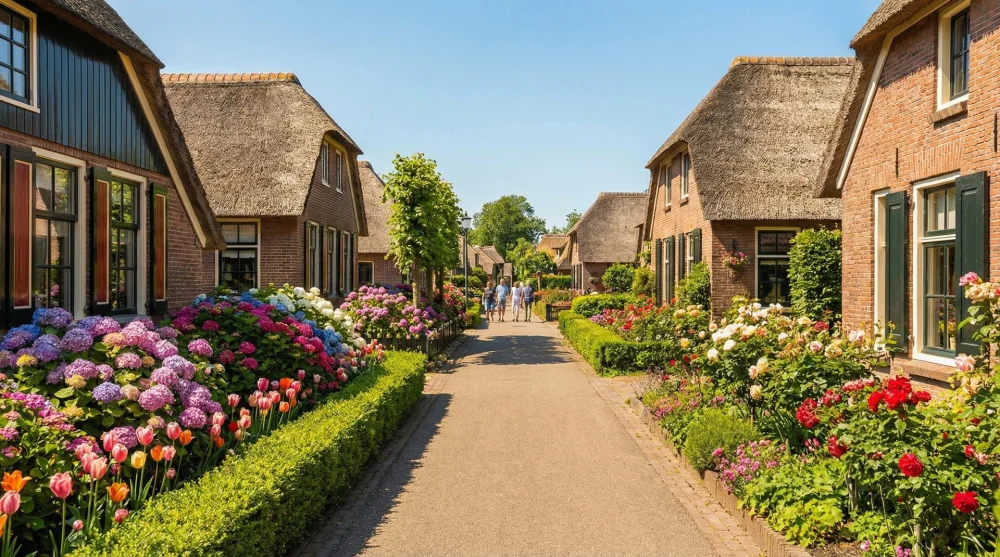
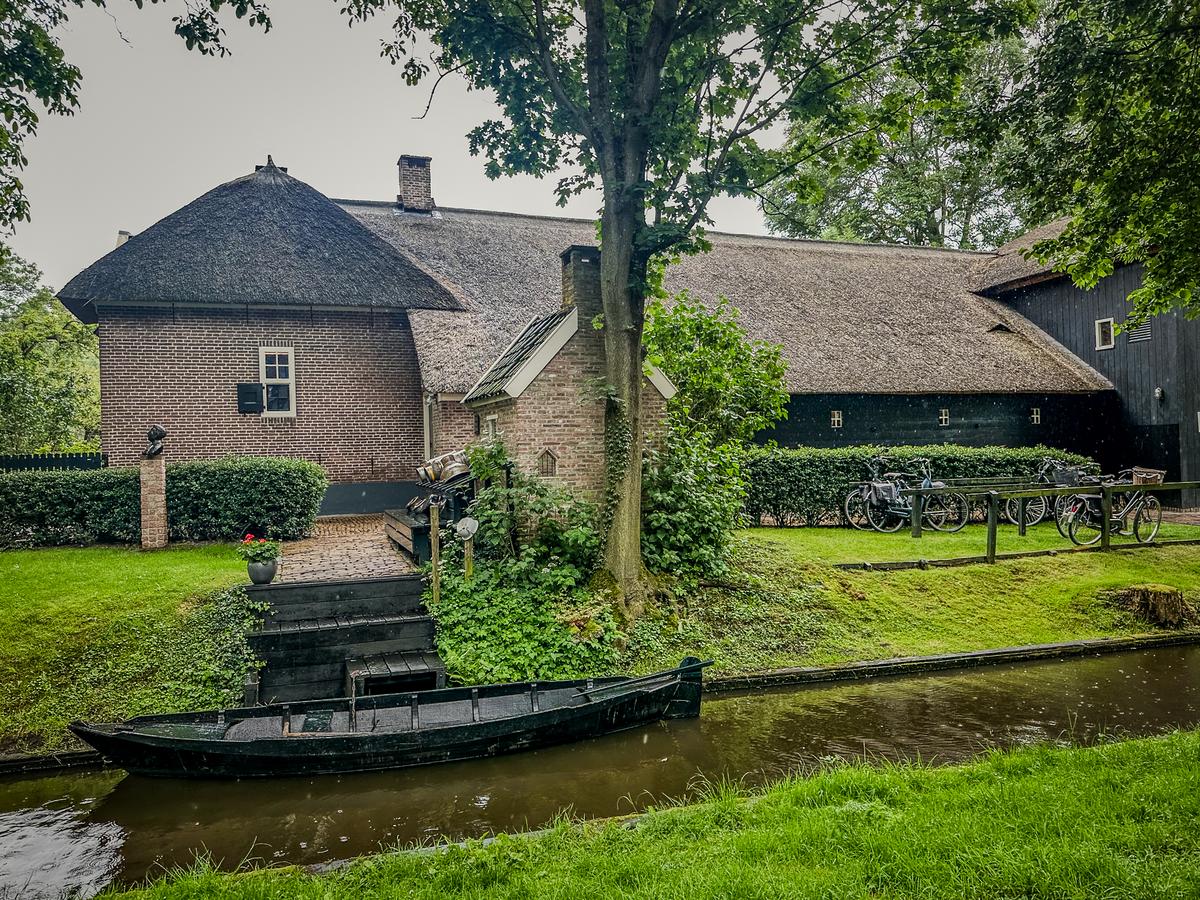
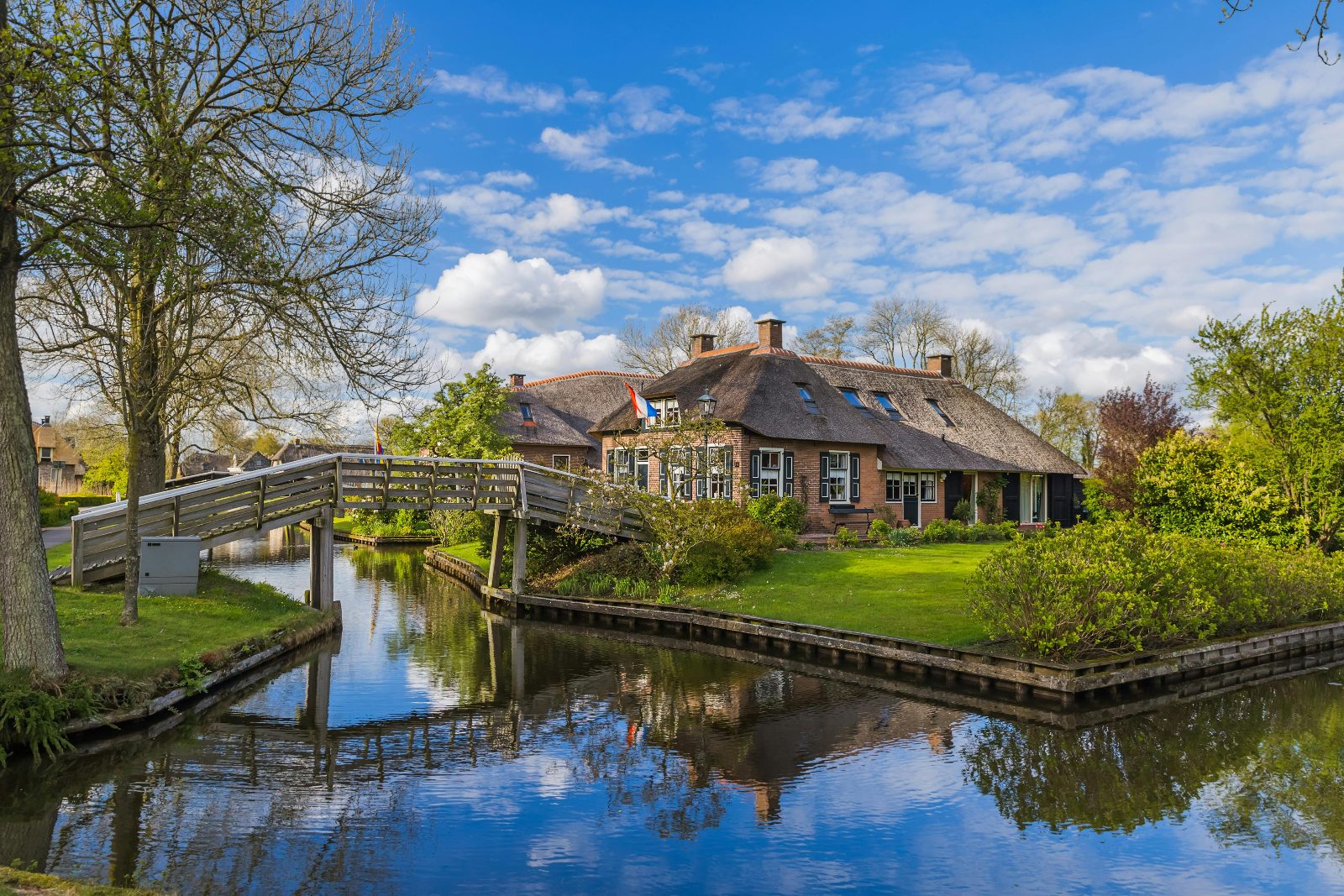
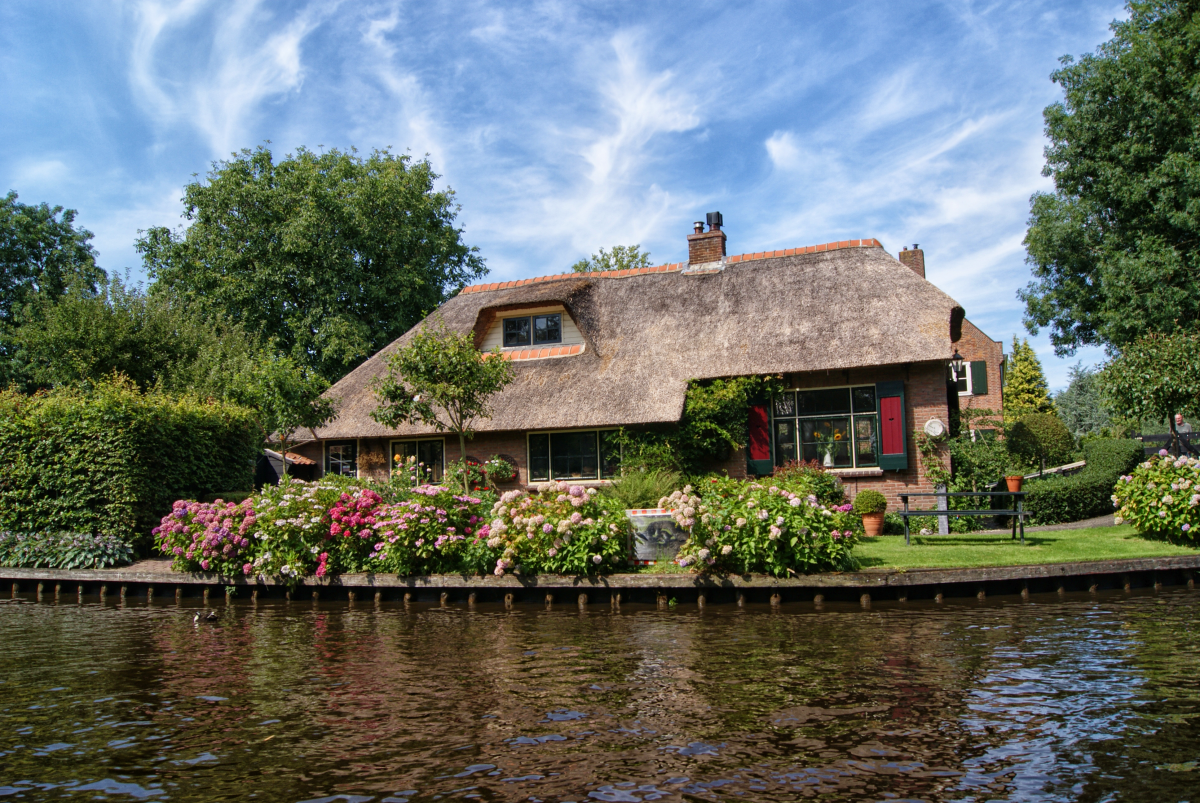
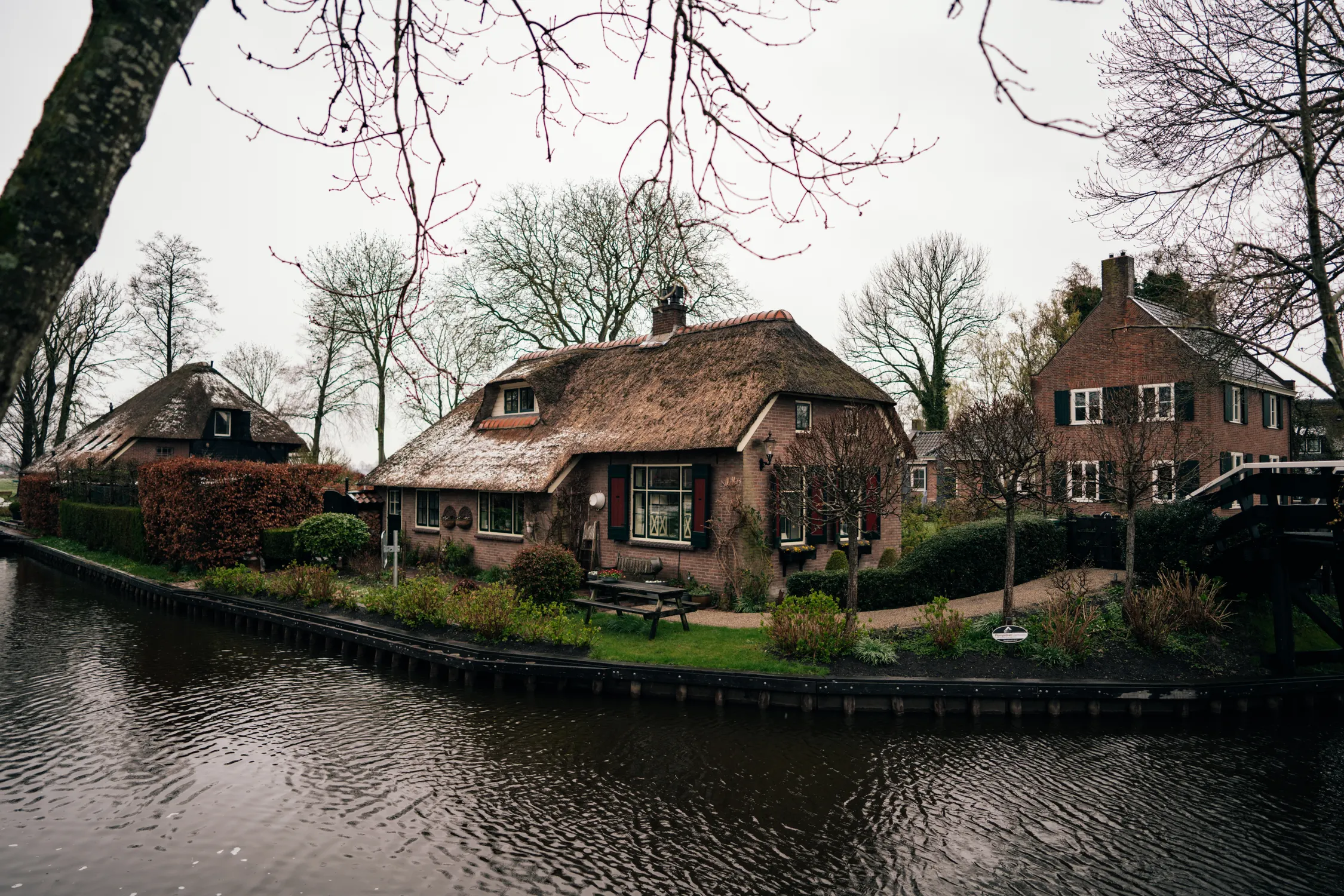
The main pedestrian route through Giethoorn, this narrow brick and wood path threads along the canal past dozens of thatched farmhouses built from the 1700s onward when peat cutting shaped the local economy. It has no cars at all, one reason the village earned its nickname as the Venice of the North.
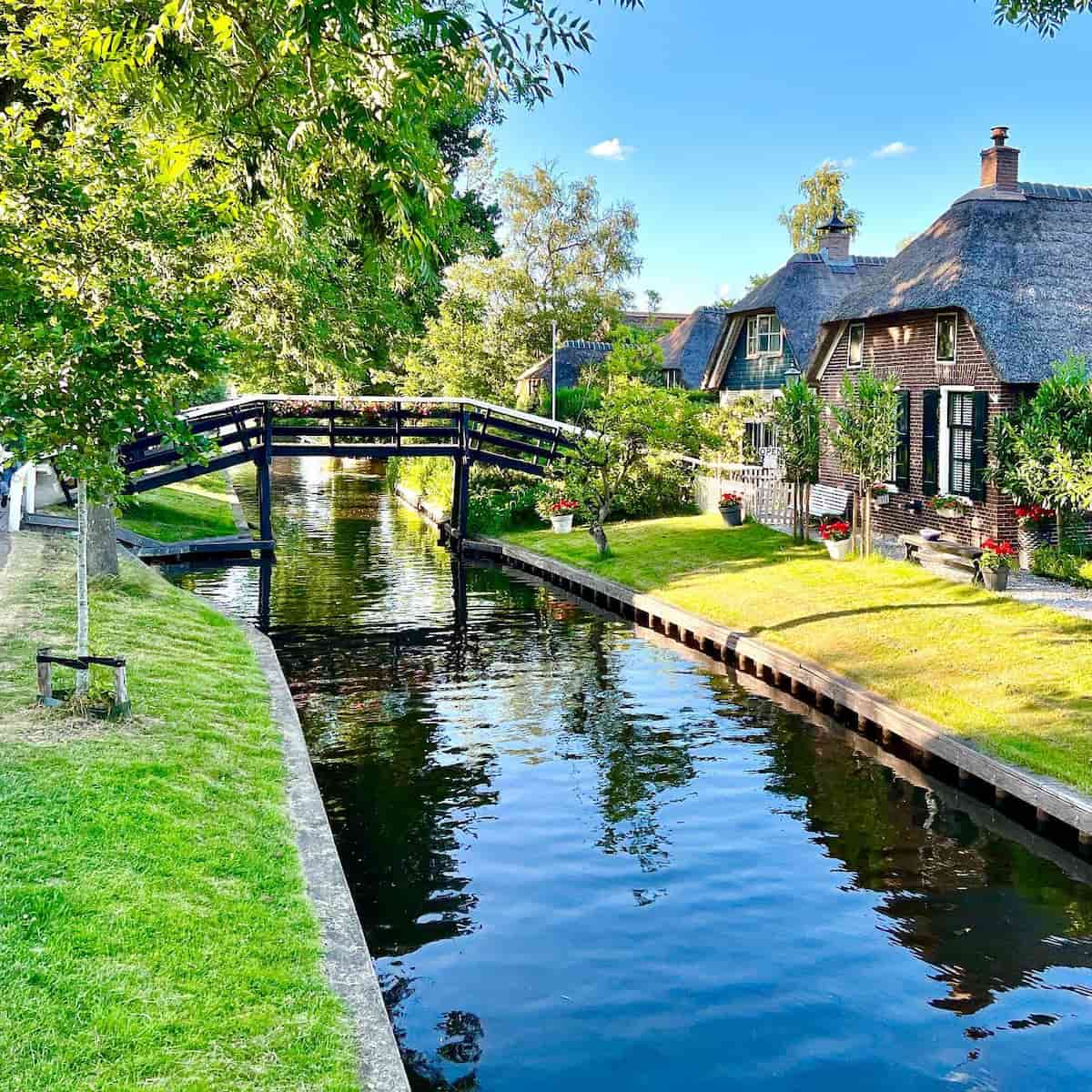
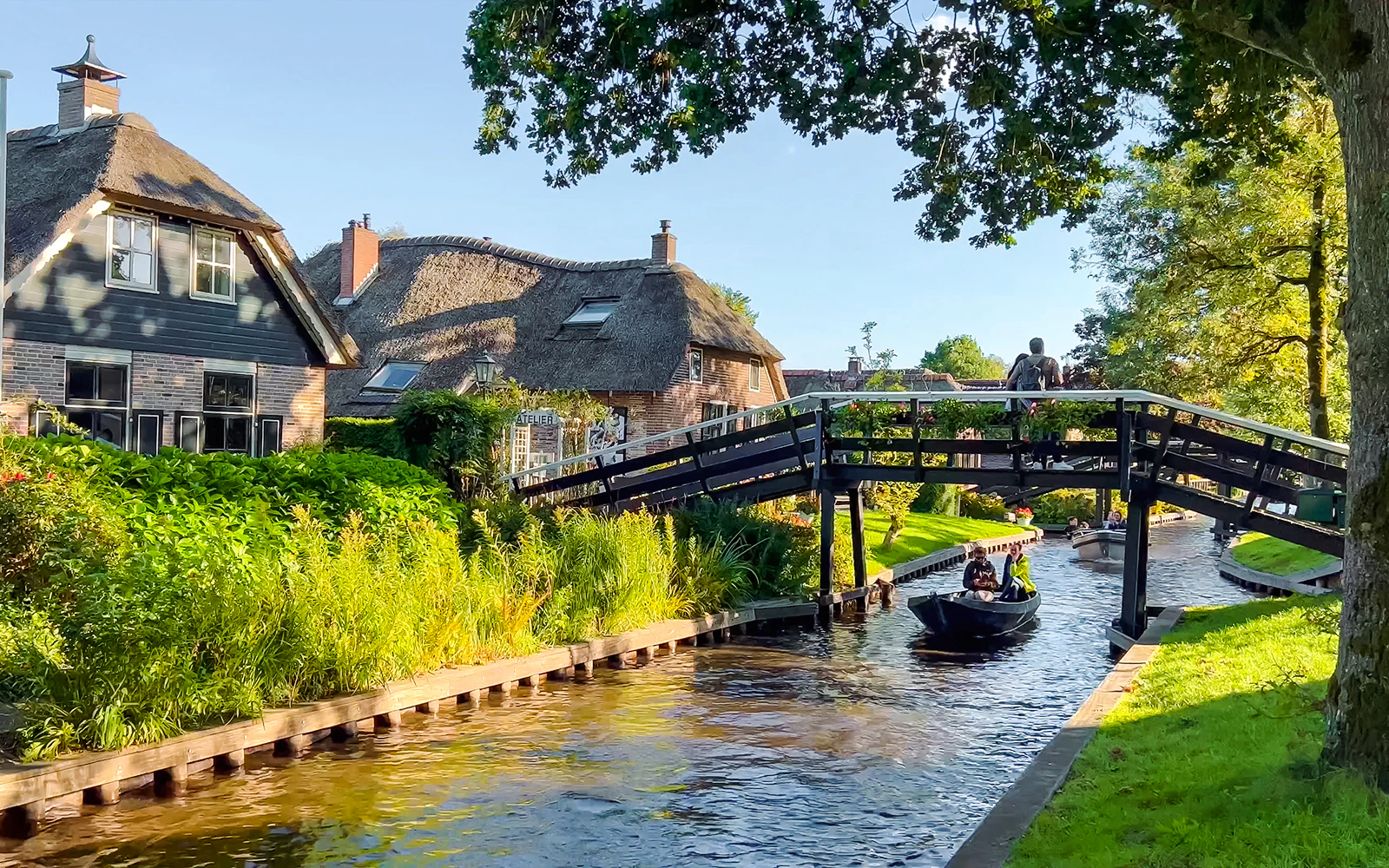
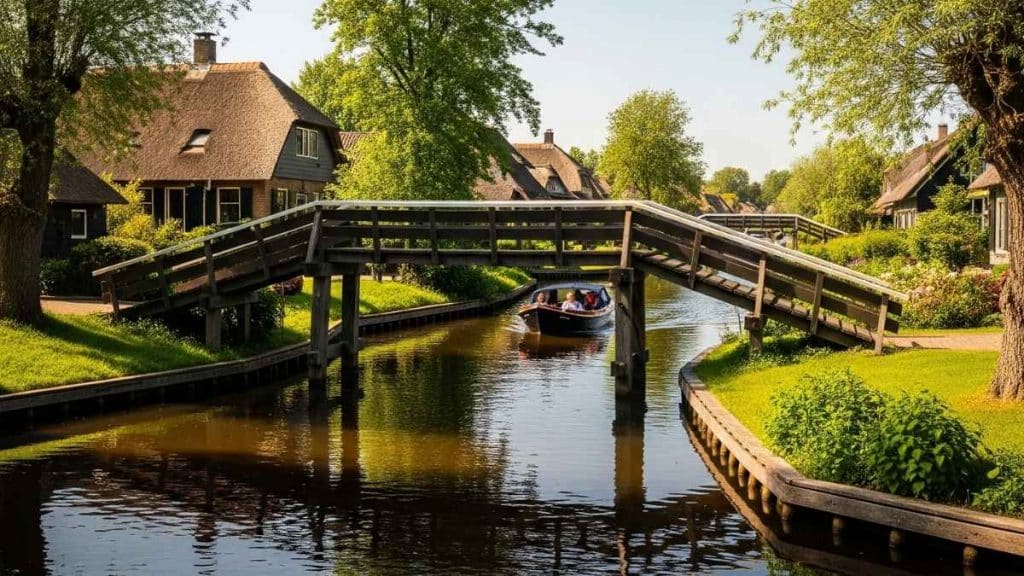
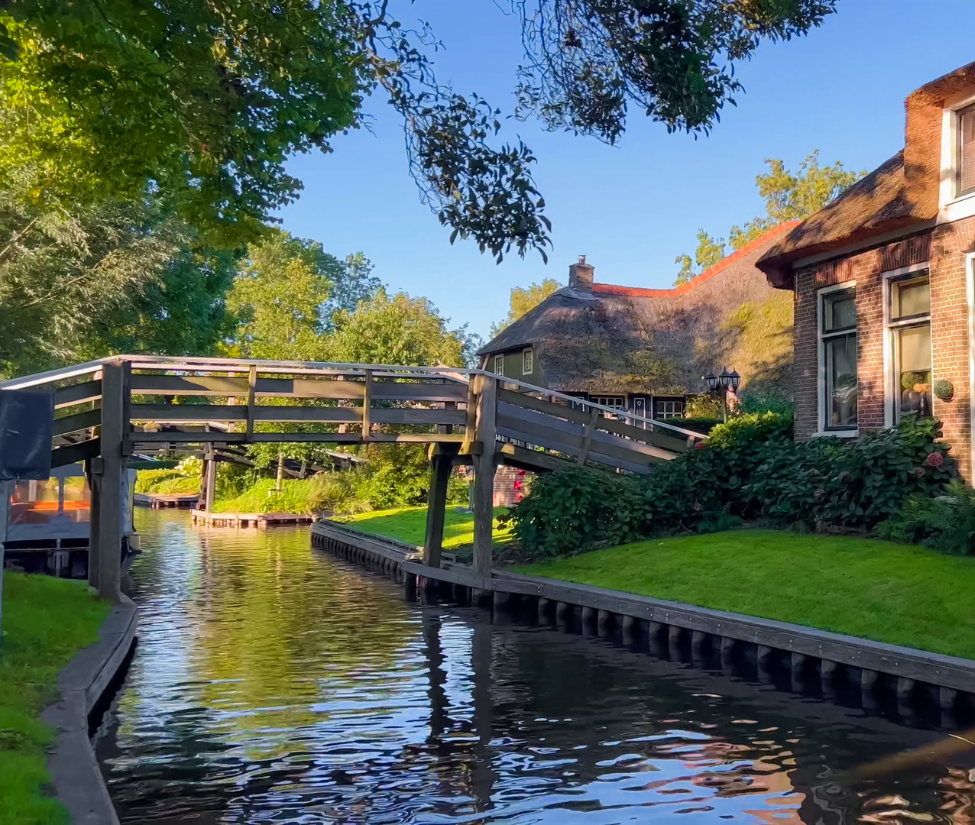
More than 175 small wooden bridges cross the canals of Giethoorn, many arched steeply enough to require a short climb, originally built so farmers could move hay and peat between plots by hand cart. Several date back over a century and remain foot-traffic only.
A preserved farmhouse-turned-museum showing how a Giethoorn family lived around 1900, with low-ceilinged rooms, box beds, and peat-fired stoves intact. It sits directly on the Binnenpad and gives context for why the whole village was built on water instead of roads.
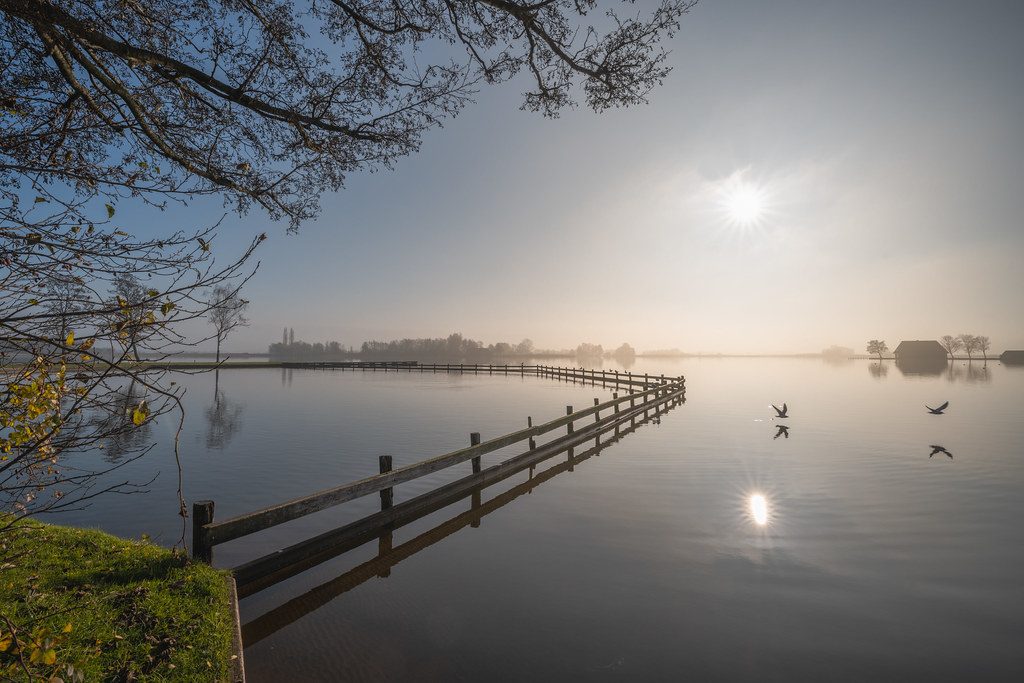
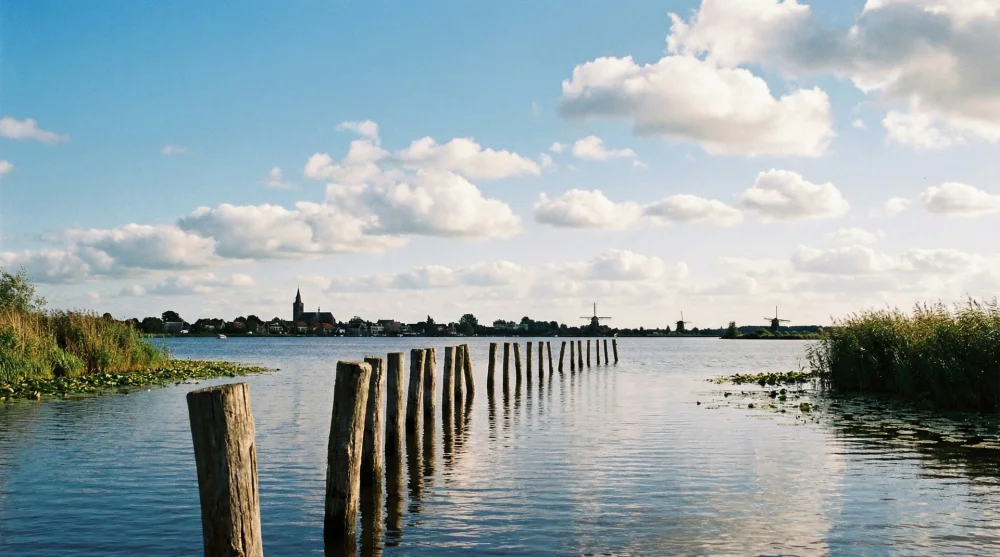
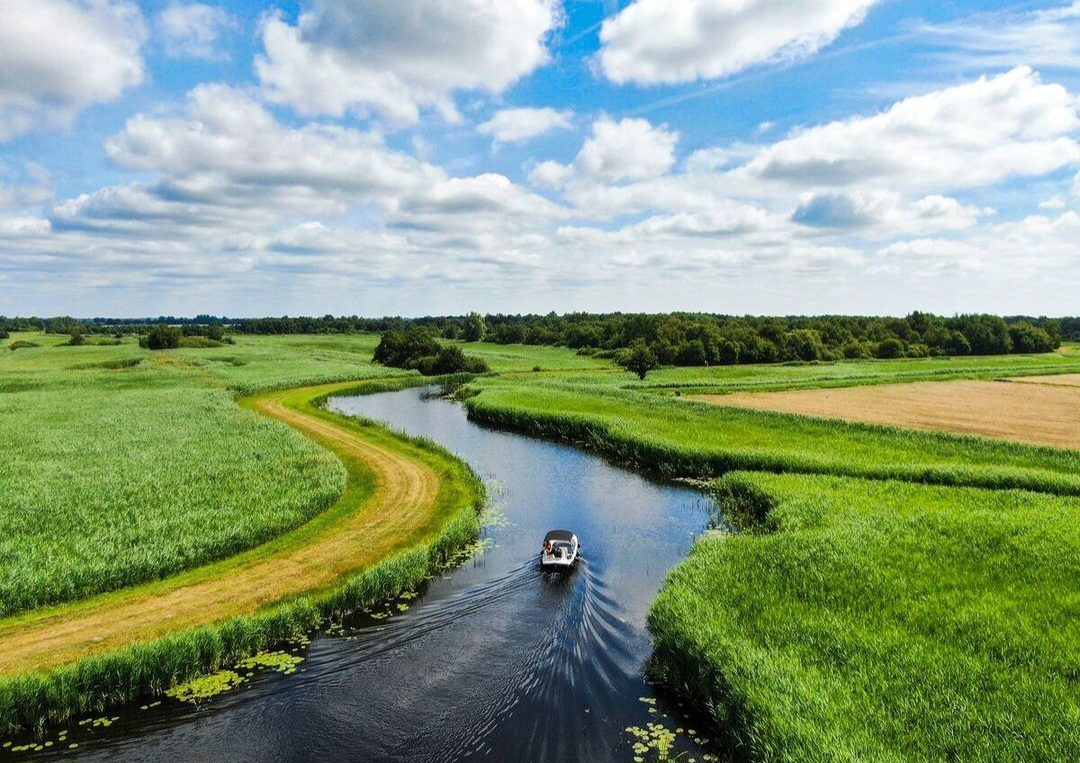
An open body of water at the edge of the village formed partly by centuries of peat extraction, Bovenwijde gives boats a wide turning basin after the narrow canals and offers the clearest view back across the reed-thatched skyline. Its shallow edges support extensive reed beds still harvested for roofing material today.
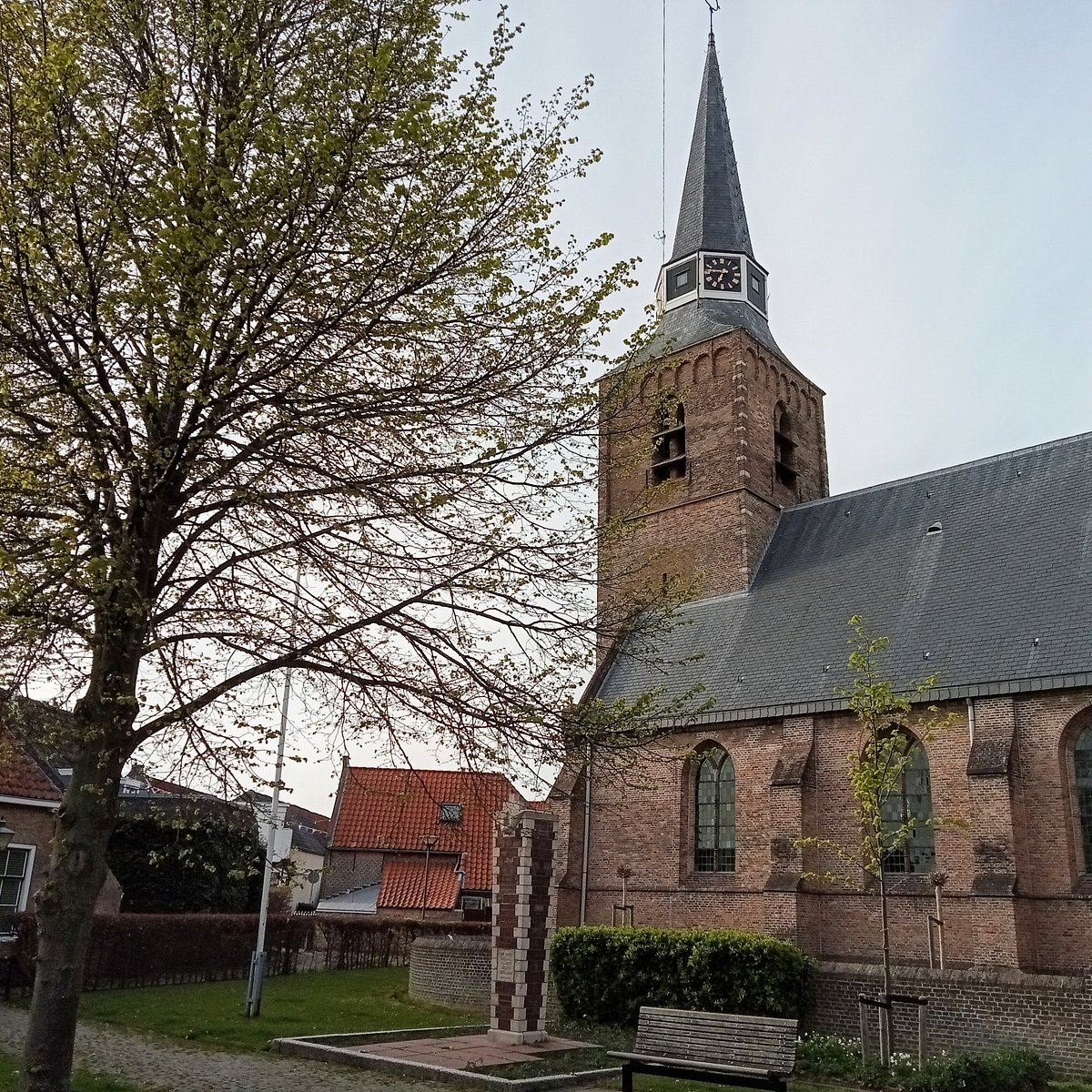
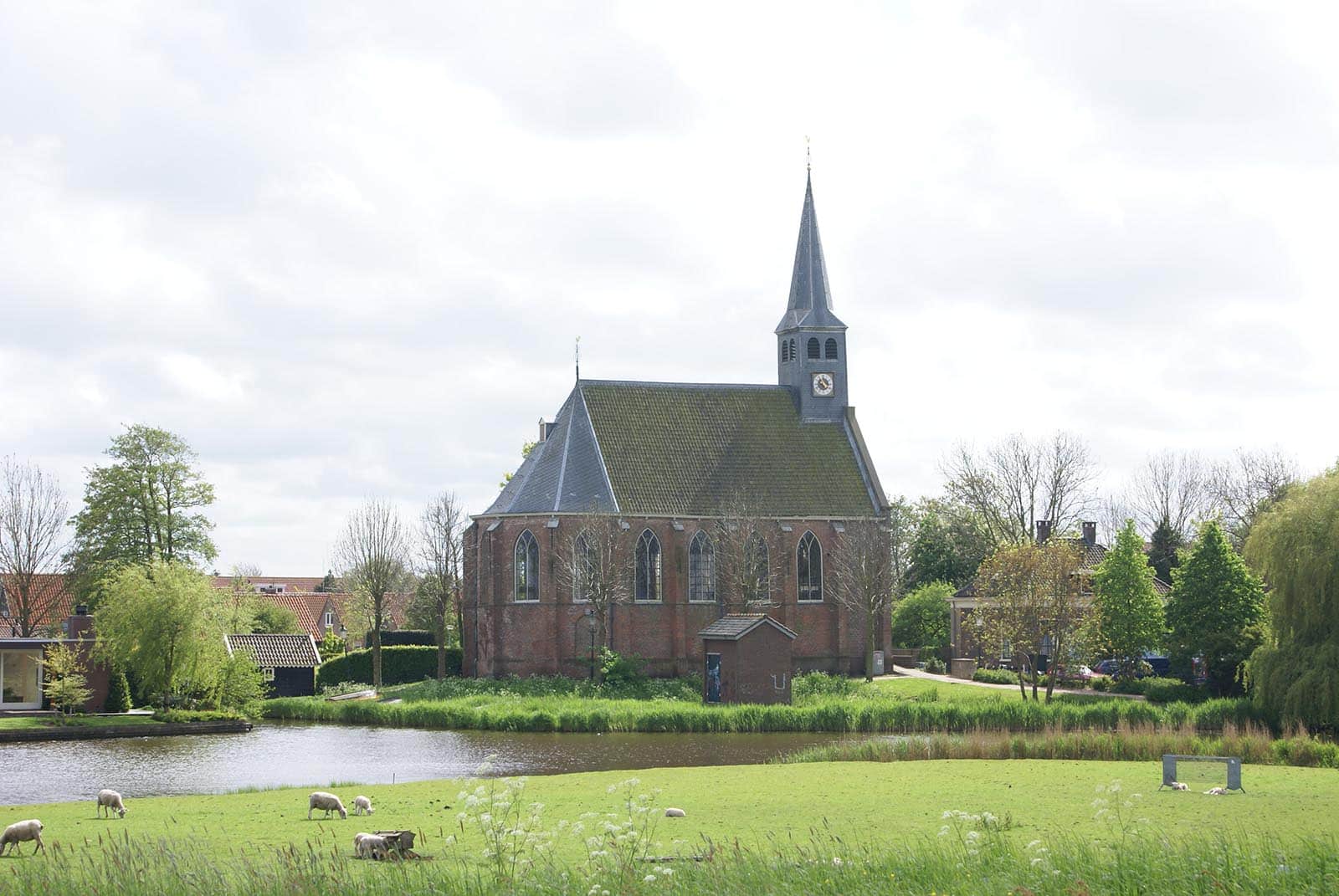
A modest brick village church near the canal crossing, serving as the closest thing Giethoorn has to a central landmark despite the settlement having no traditional town square. Its plain facade reflects the historically Protestant farming community that settled the peat colonies here in the 1230s.
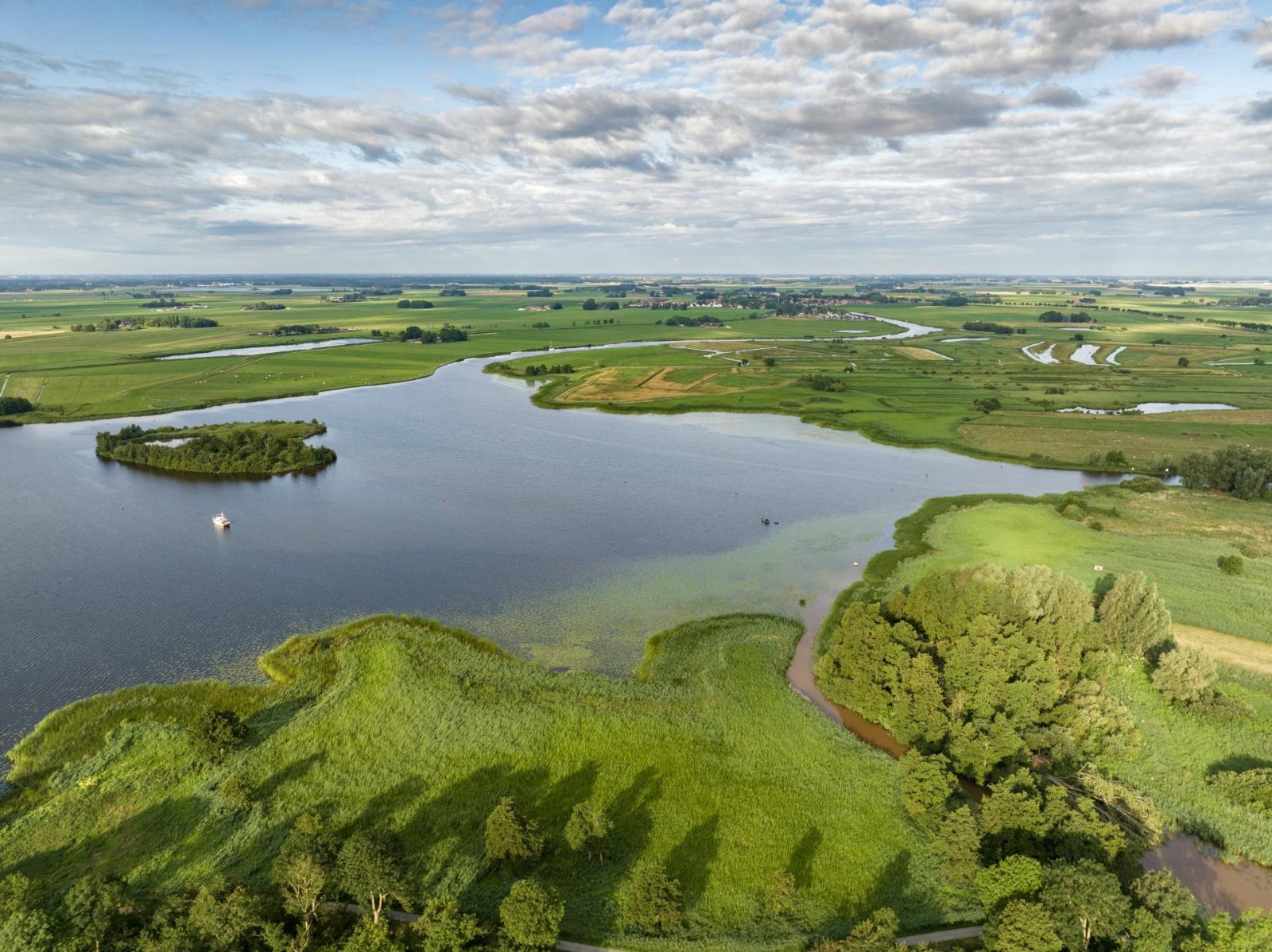
The wetland reserve bordering Giethoorn preserves the peat marsh landscape that the village was carved from, with narrow channels still cut for reed harvesting used in the thatched roofs seen throughout the village. Marsh harriers and other wetland birds nest here year-round.
You board a coach in central Amsterdam between eight and nine, clearing the city's southern suburbs as flat polder unfolds beyond the highway. By ten-thirty you cross into Overijssel, where drainage ditches multiply and farmhouses sit on low mounds to escape groundwater.
The bus deposits you at the village edge, where footpaths branch toward rental kiosks offering punter boats and bicycles.
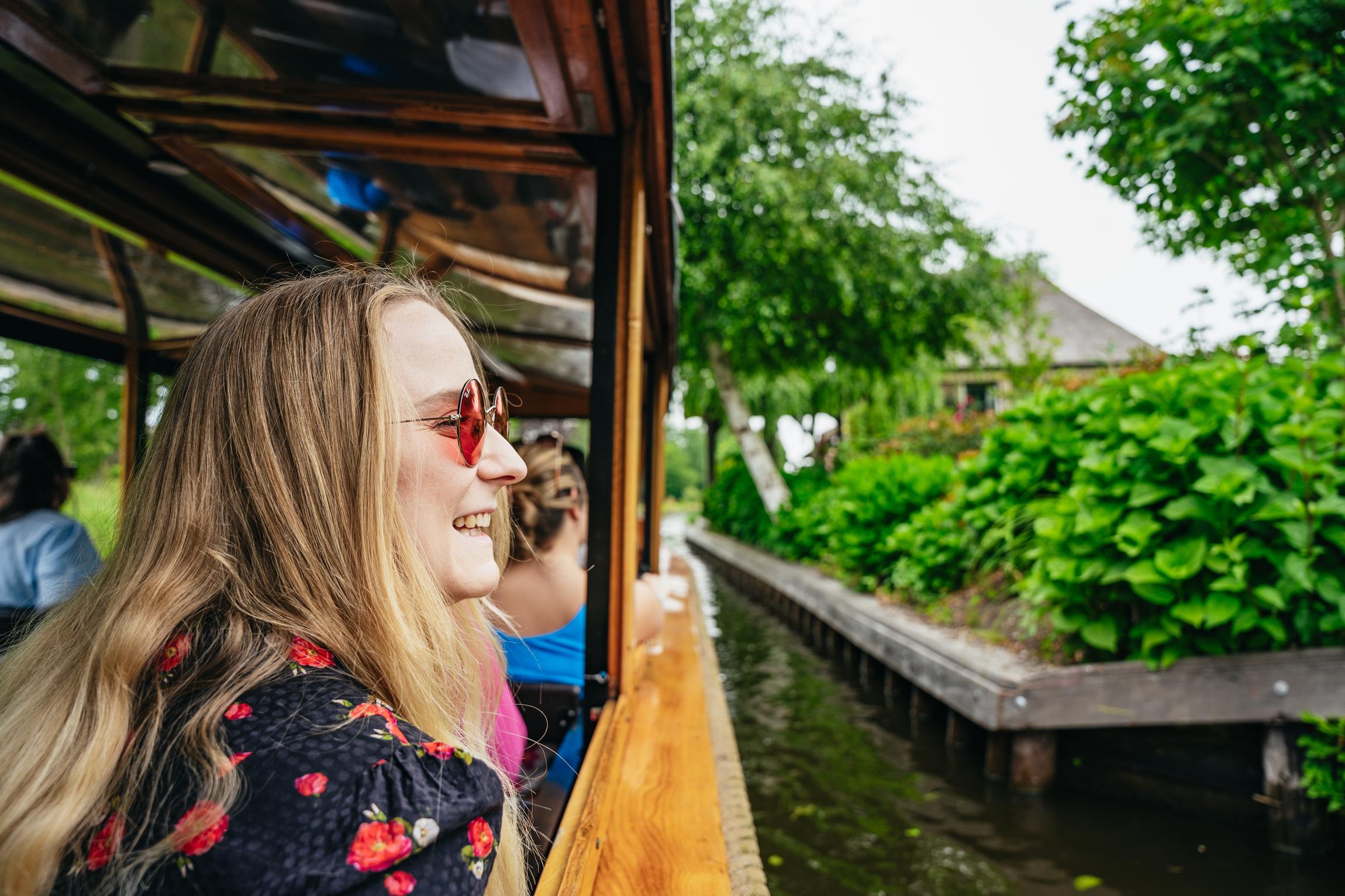
You select a whisper boat and receive a brief steering lesson — the electric motor responds to a tiller, and forward momentum is gentle enough to avoid wake damage. The first canal stretches ahead in a straight line bordered by privets and docked boats, then curves past thatched roofs whose eaves nearly touch the water. You pass beneath arched bridges, each numbered and separated by a hundred meters, and watch cyclists on parallel paths overtake your drift. Midday brings you to a canal-side café where you moor temporarily and order lunch at outdoor tables shaded by willows. Afternoon light slants across the water as you return the boat and walk the perimeter paths, photographing bridges and farmhouses from land angles. By four you rejoin the coach for the return journey, reaching Amsterdam before evening traffic peaks.
All the details about your upcoming adventure in one place
A giethoorn day trip from amsterdam takes you to the Dutch Venice, where narrow canals replace streets and thatched-roof farmhouses line peaceful waterways. This car-free village in Overijssel province features hand-operated bridges, electric whisper boats, and reed-bordered channels that date back seven centuries. Most giethoorn day trip from amsterdam tours include canal cruising, walking paths through De Wieden nature reserve, and visits to historic timber farmsteads.
Giethoorn emerged in the thirteenth century when peat diggers carved channels through the marshland, leaving behind a network of interconnected lakes that would become the village's defining infrastructure.
The settlement earned its name from the wild goat horns discovered during excavation — remnants of animals lost in the 1170 flood that originally submerged the region. By the eighteenth century, 150 wooden bridges had been erected to connect farmsteads across the widening waterways, and residents adopted punter boats as the primary mode of transport. No roads penetrated the core until the twentieth century, preserving a circulation pattern unchanged for three hundred years.
The village occupies seven kilometers of canal-threaded landscape in the province of Overijssel, sixty kilometers northeast of Zwolle. Giethoorn day trip from amsterdam itineraries typically depart before nine to reach the village by mid-morning, when mist still clings to the willow-lined banks and tour-group crowds remain sparse. The architecture follows Kop-hals-romp patterns characteristic of eighteenth-century farmhouses — thatched roofs extend low over whitewashed walls, and narrow footpaths replace paved streets. Museum Giethoorn 't Olde Maat Uus occupies a restored 1800s farm complex, displaying peat-cutting tools, period furnishings, and regional costumes that document the village's agrarian past. Traditional whisper boats — electric-powered craft that replaced diesel engines in the 1990s — glide past reed beds without disturbing nesting waterfowl.
Day tours from Amsterdam often bundle canal cruises with bicycle rentals, allowing visitors to alternate between water and land exploration. The village remains a functioning community of 2,800 residents, not an open-air museum, so private gardens and moored boats reflect contemporary rural life rather than historical reconstruction. Autumn transforms the canals into corridors of amber and rust as deciduous trees shed their leaves, and winter ice occasionally permits skating along routes normally reserved for punters. Giethoorn day trip from amsterdam tickets usually include round-trip coach transfer, though independent travelers can reach the village by regional bus from Steenwijk station, a connection that adds ninety minutes each way. The absence of motorized traffic within the historic core — a zoning restriction enforced since 1958 — creates an acoustic environment distinct from urban Netherlands, where water lapping against timber pilings and bicycle bells provide the only regular sounds.

No roads penetrated the core until the twentieth century, preserving a circulation pattern unchanged for three hundred years.
Comfortable, low-heel shoes are worth it since the main route through Giethoorn crosses dozens of wooden hump-back bridges and narrow towpaths. A windproof layer helps year-round, as the open water along the Binnenpad channel means a steady breeze even on calm days.
There are no bag checks or security gates anywhere in the village, since Giethoorn is an open residential area rather than a ticketed site. If you rent a whisper boat, operators typically ask you to keep bags stowed low in the hull to keep the boat stable.
Photography is unrestricted along the public paths and canals of Giethoorn, but many of the thatched-roof houses lining the water are private homes, so keep cameras and drones pointed at the canal and bridges rather than into windows or gardens. Drone flights need advance permission since parts of the village sit inside restricted airspace near Weerribben-Wieden National Park.
Children generally enjoy the boat rides more than the walking route, since a whisper boat or canoe turns the canals into a slow-moving playground without traffic. Bridges have low railings in places, so keep an eye on toddlers near the water, and life jackets are worth requesting from any boat rental for younger kids.
The main Binnenpad footpath is paved and flat for long stretches, but many of the arched wooden bridges connecting the two sides of the village have steps, which makes a continuous wheelchair route difficult. Whisper boats offer a step-free way to see Giethoorn from the water, and several rental docks near the village center have level boarding platforms.
Picnicking on public benches along the canals is fine, and you can carry your own water and snacks through the village at no cost, since there is no entry fee or bag restriction. Alcohol is allowed in moderation in public spots but glass bottles near the docks are best avoided given how easily they end up in the water.
Busiest day, most tour groups
Hours
Open 24 hours, every day — village streets and canals are public space
Address
Giethoorn, Overijssel, Netherlands
Access
Boardwalks and footbridges are mostly flat but narrow; some hump-back bridges have steps
Best time
Arrive 09:00–11:00 for calmer canals and fewer tour buses
Fee
Free entry — no ticket needed to walk the village
Public transport · About 2h total · Train + bus ticket roughly 25–35 EUR round trip
Take a train from Amsterdam Centraal to Steenwijk (roughly 1h40 with a transfer in Zwolle), then bus 70 to Giethoorn, a common route for a giethoorn day trip from amsterdam by public transport
Car · 1h20–1h30 · Parking typically 5–8 EUR per day
Drive via the A6 and A32 motorways from Amsterdam, around 1h20–1h30 depending on traffic, with several paid parking areas at the village edges
Bike · 30–45 minutes from Steenwijk · Free, bike rental extra
Cyclists coming from Steenwijk or Zwolle can follow regional cycle routes (LF routes) directly into Giethoorn, popular with visitors extending a Dutch cycling holiday
Taxi · 1h20–1h40 · Around 150–200 EUR one-way
Taxis or private transfers run directly from Amsterdam or Schiphol Airport, useful for groups avoiding train transfers
The village itself has no entrance fee and no booking to cancel, since Giethoorn is open public space with 0 EUR entry. Any cancellation terms only apply to add-on boat rentals or guided tours booked separately, and those follow the individual operator's own refund window.
Recommended time
5-6 hours
Planning a giethoorn day trip from amsterdam requires balancing travel time with canal exploration. Most visitors find that five to six hours allows for a relaxed boat rental and a walk through the village, though you should arrive early to avoid the peak congestion of midday giethoorn canal cruises. If you only have a half day, focus on the central waterways, as skip-the-line giethoorn village attractions are not standard in this public space.
Crowd levels through the day
Weather · crowds · average price — dots go green to amber to red as each metric rises.
Mild temperatures around 12–17°C and fewer crowds than summer make spring a comfortable season, with tulip season nearby in the wider Netherlands adding extra day-trip appeal. Canal water levels are typically high after winter, which is good for boat rentals.
The busiest season, with warm days around 20–24°C and long daylight hours, but also the heaviest tour bus and boat traffic on weekends. Weekday mornings are noticeably calmer than weekend afternoons.
Currently in this window, temperatures cool to roughly 10–16°C and the thatched roofs and reed beds take on autumn colors, with noticeably thinner crowds after early September. This is a favored season for photography without summer congestion.
Cold, often below 5°C with occasional canal freezing that allows ice skating in sharp cold spells, though many boat rentals and museums reduce hours or close. The village is quiet and atmospheric but some visitor services are limited.
Whisper boats in Giethoorn require no boating license, and rental docks near the village center offer short briefings before you head onto the canals.
Some smaller boat rental kiosks and souvenir stalls still prefer cash over card, especially for short one or two hour rentals.
The wooden hump-back bridges get slick when wet, so shoes with real tread are safer than sandals when walking the Binnenpad.
The Olde Maat Uus museum and other small local exhibits often reduce hours or close outside the April to October season, so confirm before building them into your plan.
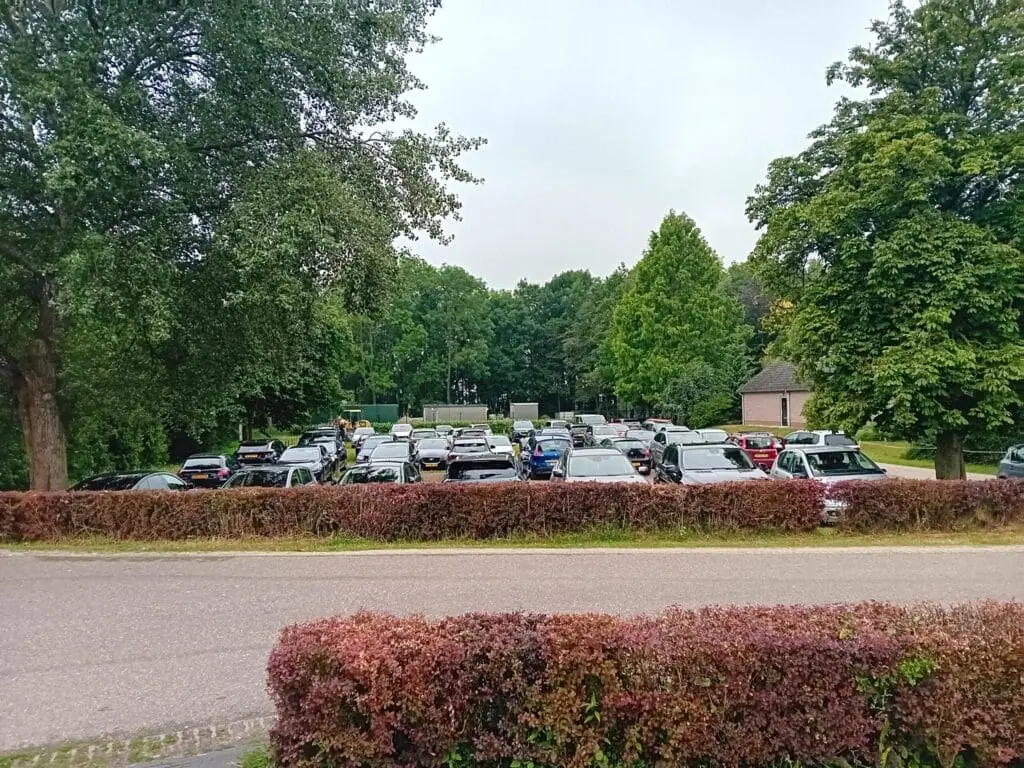
Central lanes are pedestrian and boat-only, so cars stop at marked lots like Ossenboer rather than driving into the historic core.
Marsh harriers and other wetland birds nest in the reed beds around Weerribben-Wieden, so bringing binoculars adds value beyond the canals themselves.
Beulakerweg 114a, 8355 AC Giethoorn
Starting point for maps and boat rental referrals
Get directions
Ossenboer, Giethoorn
Main car park within walking distance of the Binnenpad
Get directions
Duikersdijk, Giethoorn
Common photo stop and orientation landmark near the canal junction
Get directionsGiethoorn owes its existence to peat extraction that began in the 13th century when settlers from the Mediterranean region arrived in Overijssel. These early inhabitants discovered vast peat deposits left behind after the medieval floods of 1170, which had transformed the landscape into marshland. As workers dug out the peat for fuel, they created an intricate network of channels and lakes that would define the village layout for centuries. The name Giethoorn itself derives from "geitenhorens" — goat horns — after settlers found hundreds of wild goat horns belonging to animals that perished in the great flood. By the 18th century, the peat industry had carved out the canals that remain today, connecting isolated farmsteads across the wetlands. Transportation relied entirely on flat-bottomed punts called "whisper boats" because their electric or hand-propelled engines made no sound. The absence of roads was not philosophical but practical: the waterlogged ground could not support traditional infrastructure. Farmers transported cheese, milk, and reeds along these waterways to markets in nearby towns. This car-free existence continued unchanged until the 20th century, when a single road was finally constructed along the village perimeter. Giethoorn remained obscure until 1958, when Dutch filmmaker Bert Haanstra featured it in his comedy "Fanfare," introducing the village to national audiences. The film sparked curiosity about this roadless community, and visitors began arriving by boat. Tourism accelerated after the 1980s as international travel guides promoted Giethoorn day trip from Amsterdam itineraries. By 2000, the village had evolved from agricultural hamlet to heritage destination, with farms converted into museums and guesthouses. Today, over one million visitors navigate its historic waterways annually, drawn by the same canals that peat workers excavated four centuries earlier. The Overijssel provincial government designated the area a protected villagescape in 1992, preserving the thatched-roof farmhouses and bridges that define its character.
Medieval floods create marshland across Overijssel region
Mediterranean settlers begin peat extraction, carving first channels
Peat industry expands canal network to its current form
Bert Haanstra film Fanfare introduces Giethoorn to Dutch audiences
International travel guides promote giethoorn day trip from amsterdam tours
Provincial government designates Giethoorn protected heritage landscape
Village transitions from agriculture to heritage tourism economy
Over one million annual visitors explore historic waterways
One of Giethoorn's most photographed wooden bridges, arching over a narrow canal lined with thatched-roof farmhouses. Stand on the bridge deck itself or shoot from the towpath below for the classic reflection shot.
A steep humpback bridge near the village center that frames punters and whisper boats passing underneath. The best angle is from the canal-side path looking through the arch rather than from the top.
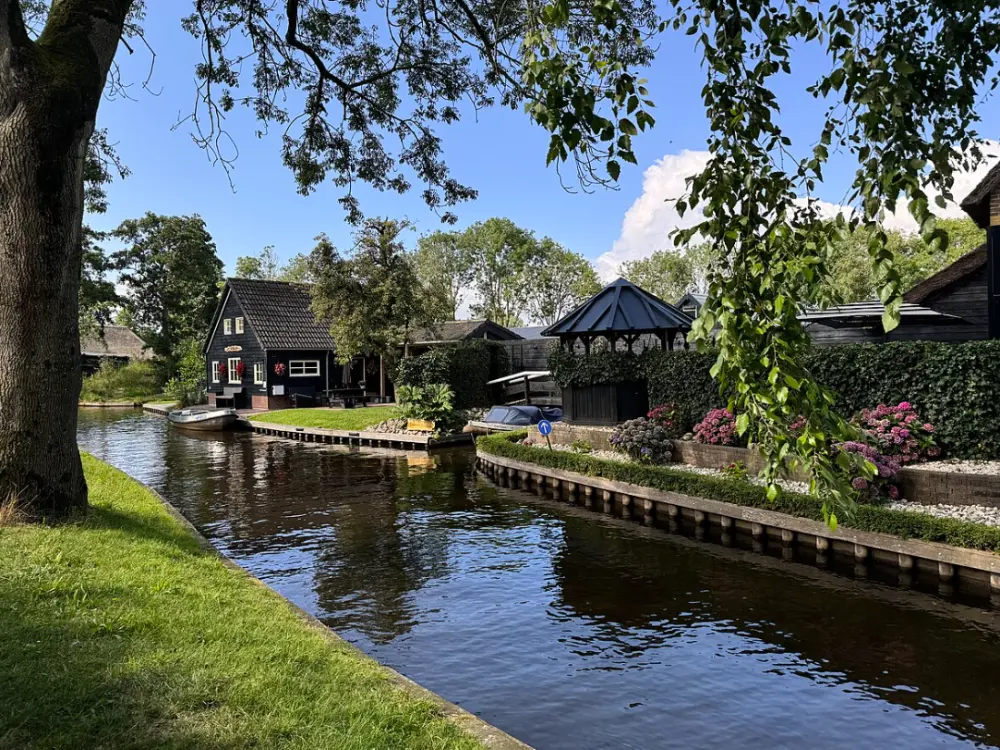
A car-free brick path running along the main canal past thatched cottages, gardens and private jetties, giving an unbroken string of postcard views. Walking this stretch slowly during a giethoorn day trip from amsterdam reveals angles most boat tours miss entirely.
A gentle bend in the canal where several thatched farmhouses and a small wooden bridge line up in one frame. Shoot from the grassy bank on the outer curve for maximum depth.
The wooden jetty and adjoining bridge where traditional flat-bottomed punters moor, offering close-up shots of boats against reed-thatched backdrops. Best photographed from the bridge itself before boat traffic picks up.
A slightly elevated wooden footbridge near the local museums giving a wider view over rooftops, canals and moored boats in one composition. Access is unrestricted and free at any hour.
Most travelers on a giethoorn day trip from amsterdam eat along the Binnenpad, the main canal-side path lined with cafés and pancake houses within a few minutes of the boat docks. Nothing needs booking for a quick stop, though sit-down spots fill up once the afternoon boat tours arrive.
Dutch classics and a canal-view terrace; order the local fish or a bitterballen plate; busy midday but tables turn over fast for a quick lunch
Dutch pancakes sweet and savory, a reliable stop for families between boat rides; short wait is normal around noon, otherwise quick service
Regional dishes with river views, better suited to a slower lunch than a rushed stop; reservations help on weekends
Coffee, apple pie, and simple snacks near the water; good for a fast break before or after a canal tour
More refined menu for those extending the day trip into evening; not ideal if working around a tight bus schedule back to Amsterdam.
Real experiences from real travelers
Rented a whisper boat for two hours and explored the network of waterways at our own pace. The village maintains its rural character despite the visitors. Arrived mid-morning on a weekday in late summer and found the canals surprisingly navigable.
The electric boats are quiet enough to hear birds along the banks. We cycled the perimeter path first to get oriented, then took a boat through the residential sections. Thatched roofs and wooden bridges create a consistent vernacular throughout.
Giethoorn operates on a smaller scale than the city waterways. The channels are narrow and shallow, requiring careful navigation. We stopped at a farmhouse cafe for stroopwafel and coffee. Three hours covered most accessible routes.
Visited on a Saturday in June and the main canal had consistent boat traffic. The outlying channels offer more solitude. Water lilies were blooming along the banks. A giethoorn day trip from amsterdam requires at least four hours to feel unhurried.
The absence of roads in the old center creates an unusual quiet. We took an organized giethoorn day trip from amsterdam tour with canal boat included and guide commentary. Learned about peat excavation history that formed the waterways. The afternoon light on thatched roofs photographs well.
Electric whisper boats are easy to operate even without prior experience. The canals wind through private gardens and under countless wooden footbridges. We brought lunch and stopped along a quiet bank. Spring flowers were abundant in window boxes.
Took the bus from Amsterdam which requires one transfer but costs significantly less than tours. Rented bikes at the village edge and cycled the 7km loop path before boating. The surrounding polder landscape is flat and scenic. A solid giethoorn day trip from amsterdam option for slower travel.
The village retains working farms alongside the tourism infrastructure. We spotted ducks and swans along the quieter channels. Visited the museum farm to understand traditional peat harvesting. The September weather was mild and crowds had thinned from summer peaks.
Water access defines the village layout completely. Residents use boats for daily transport. We took a guided tour with local commentary about architecture and water management. The thatched roofs require specialized maintenance that few craftspeople still practice.
Covered the main attractions in about three hours including boat rental and lunch. The village is compact once you're on the water. Consider combining giethoorn day trip from amsterdam tickets with a stop at a nearby pottery town or nature reserve to fill a full day.
Everything you need to know for your journey
Giethoorn's canals and footpaths are open 24 hours every day, since the village is a public space rather than a ticketed attraction, though individual museums and boat rental kiosks keep their own separate daytime hours.
No, entry to Giethoorn is free at 0 EUR since it is an open village rather than a gated site; only optional add-ons like boat rentals or guided tours carry a separate cost.
The main Binnenpad path is mostly flat and paved, but several wooden hump-back bridges have steps, which breaks up a fully step-free route; a whisper boat ride offers a level-access alternative for seeing the village.
There are no bag checks anywhere in Giethoorn, since it is an open residential village, though boat rental operators may ask you to store bags low in the hull for stability.
Drones need advance permission since parts of Giethoorn sit near restricted airspace around Weerribben-Wieden National Park, so check local rules before flying.
Arriving between 09:00 and 11:00 gives you fewer tour buses and calmer canals for photos, and this window works for any giethoorn day trip from amsterdam regardless of season.
No formal dress code applies, but comfortable low-heel shoes matter given the dozens of narrow wooden bridges along the main walking route.
Yes, picnicking along public benches is allowed, and there is no bag restriction since entry to the village itself is free and unticketed.
The typical public transport route for a giethoorn day trip from amsterdam is train to Steenwijk with a transfer in Zwolle, then local bus 70 into the village, taking around two hours total.
Yes, Giethoorn works well for families, especially the whisper boat rides, though parents should watch younger children near low bridge railings and open water.
Since the village itself has no ticket or fee, there is nothing to cancel for basic entry; only separately booked boat rentals or guided tours follow that individual operator's refund terms.
Many visitors pair their canal walk with a stop at Weerribben-Wieden National Park or the smaller village of Belt Schutsloot, both a short drive from Giethoorn.
A wetland nature reserve of peat marshes and reed beds surrounding Giethoorn, known for reed-cutting traditions and birdlife including marsh harriers.
A small village church near the canal that anchors the historic core of Giethoorn with simple brick architecture.
An open lake just outside the village center offering wider water views and a popular turning point for boat trips.
A smaller, quieter canal village nearby with a similar car-free layout and fewer visitors than Giethoorn itself.
A canal-side hotel within walking distance of the Binnenpad, popular with visitors staying overnight after a day trip.
The historic core itself holds several small B&Bs and guesthouses tucked among the thatched houses.
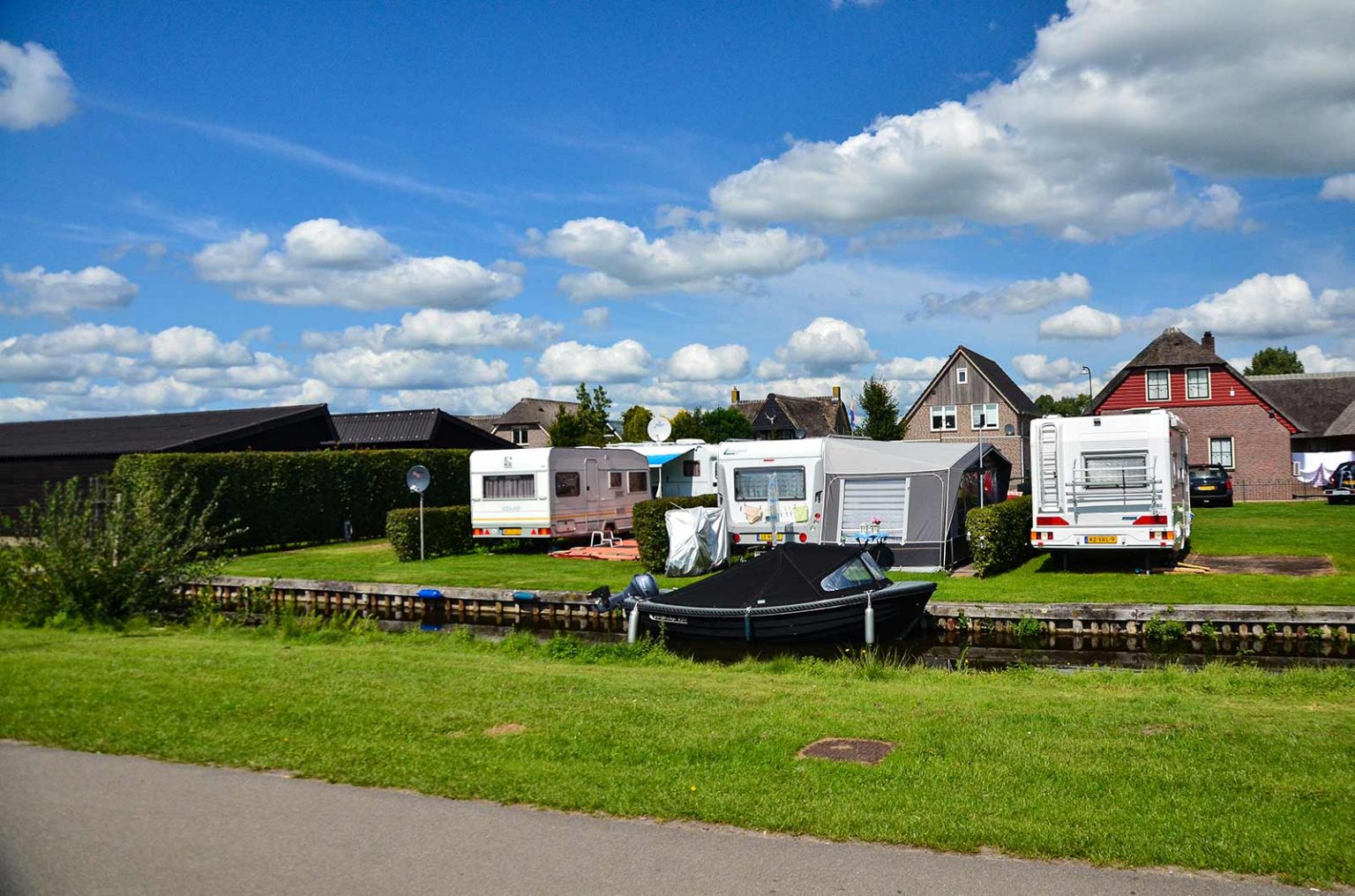
A campsite on the edge of the village with canal access, geared toward budget travelers with tents or campervans.
A nearby historic town with a wider range of hotels for travelers who prefer staying somewhere with train access.
Join thousands of happy travelers who have discovered this incredible experience
Book Your Experience Now